

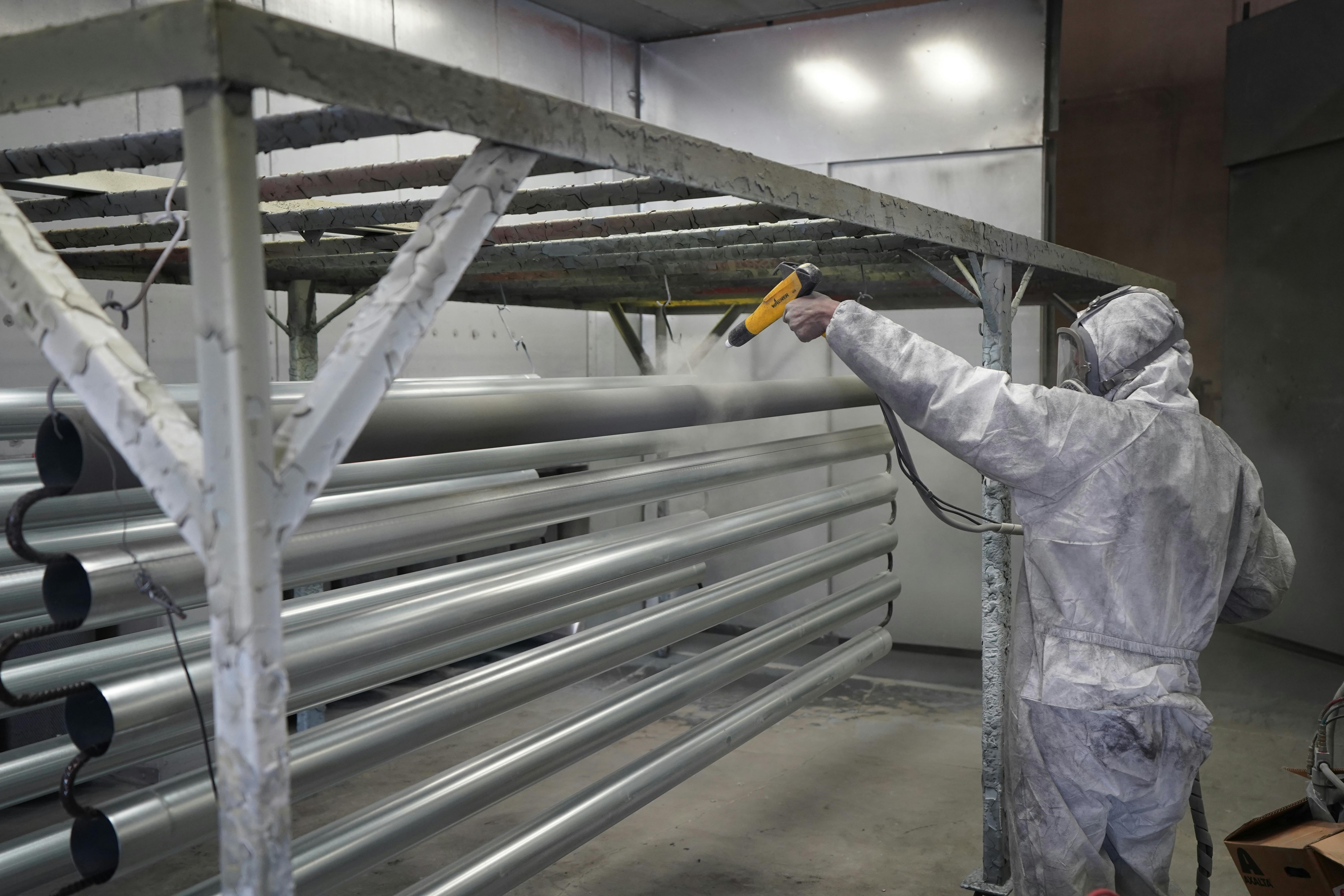
The importance of safeguarding metallic surfaces cannot be overstated, especially in environments where exposure to moisture, chemicals, and other corrosive elements is prevalent. An effective metal sealant not only enhances the longevity of the metal but also preserves its aesthetic appeal and structural integrity. This comprehensive guide delves into the world of metal sealants, offering insights into their benefits, application techniques, and factors to consider when choosing the appropriate sealant for superior protection.
Understanding Metal Sealants
Metal sealants serve as a crucial barrier between metal surfaces and environmental elements. Their primary functions include:
- Preventing oxidation and corrosion.
- Adding a layer of protection against physical wear and tear.
- Enhancing the visual appeal by providing a glossy or matte finish.
- Improving the durability and lifespan of the metal.
Types of Metal Sealants
Selecting the right type of metal sealant depends largely on the specific requirements of the project. Key types include:
Polyurethane Sealants
Known for their flexibility and strong adhesion, polyurethane sealants are ideal for joints and surfaces subject to movement. They offer excellent resistance to abrasion and are widely used in construction and automotive industries.
Silicone Sealants
Silicone-based sealants are renowned for their resistance to extreme temperatures, making them suitable for applications where heat exposure is a concern. They provide a durable seal and are commonly used in both indoor and outdoor settings.
Acrylic Sealants
Offering quick drying times and ease of use, acrylic sealants are a popular choice for metal surfaces requiring a paintable finish. They are often used in decorative applications and where aesthetics are a priority.
Application Techniques for Optimal Results
Proper application of a metal sealant is critical to achieving the desired protective outcomes. Here are some key considerations:
- Ensure the surface is clean and free of rust or debris before application.
- Use appropriate tools such as brushes or spray equipment for even application.
- Allow sufficient curing time to maximize the effectiveness of the sealant.
- Consider environmental conditions like humidity and temperature during application.
Factors to Consider When Choosing a Metal Sealant
Selecting the right metal protection coating involves evaluating several factors to ensure compatibility and performance:
- Environment: Assess the environmental conditions the metal will be exposed to, such as moisture, UV radiation, and temperature extremes.
- Material Compatibility: Ensure the sealant is compatible with the metal type and any existing coatings.
- Durability Requirements: Consider the expected lifespan and maintenance needs of the sealant.
- Application Method: Evaluate the ease of application based on the project’s scope and the tools available.
Conclusion
Protecting metal surfaces effectively requires a well-chosen rust protection sealant tailored to the specific environmental and material conditions. Whether the goal is to enhance aesthetic appeal or extend the lifespan of the metal, understanding the various types of sealants and their proper application is paramount. For those in specific locations, such as metal surface sealer Saskatoon, selecting the right product is integral to achieving long-lasting protection and performance.
0 Comments