

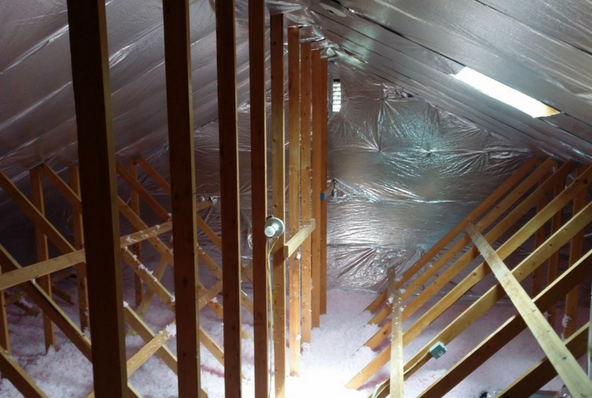
In the pursuit of creating energy-efficient homes, insulation plays a pivotal role. Spray foam insulation, in particular, has emerged as a popular choice for homeowners seeking to enhance their residence’s thermal performance. Its unique application and material properties offer superior insulation capabilities, making it an attractive option for those looking to reduce energy consumption and achieve sustainable living. This article delves into why spray foam insulation is a preferred choice for energy-efficient residences.
Understanding Spray Foam Insulation
Spray foam insulation is a versatile and effective solution for sealing and insulating homes. It is created by mixing two liquid components that expand rapidly upon application, forming a solid cellular plastic that adheres to surfaces.
Types of Spray Foam
- Open-cell Spray Foam: Light and flexible, this type of foam is ideal for interior applications. It is known for its soundproofing abilities and cost-effectiveness.
- Closed-cell Spray Foam: Denser and more robust, closed-cell foam provides superior insulation and acts as a barrier against moisture and air leakage.
Each type of spray foam serves specific purposes and choosing the right one depends on the unique needs of the residence. Explore advanced guides and tips to help determine the best fit for different home environments.
Benefits of Spray Foam Insulation
Implementing spray foam insulation offers numerous advantages that contribute to a home”?s energy efficiency:
- Energy Efficiency: By sealing gaps and cracks, spray foam minimizes air leakage, significantly improving a home’s energy efficiency.
- Moisture Control: Closed-cell spray foam acts as a moisture barrier, preventing mold growth and maintaining indoor air quality.
- Soundproofing: Open-cell foam’s structure absorbs sound, enhancing acoustic comfort within the home.
- Longevity: Spray foam insulation is durable and does not settle over time, ensuring lasting benefits.
To learn about tailored solutions that maximize these benefits, consider consulting experts in the field.
Cost Considerations and Return on Investment
While the initial cost of spray foam insulation can be higher than traditional insulation methods, it is crucial to consider the long-term savings on energy bills and maintenance costs:
- Reduced Energy Bills: Enhanced insulation can lead to significant savings on heating and cooling costs.
- Increased Property Value: Energy-efficient homes are more appealing in the real estate market, often commanding higher resale values.
- Low Maintenance: The durability of spray foam reduces the need for frequent repairs or replacements.
Find out more about this approach to understand how spray foam insulation can offer financial benefits over time.
Installation and Safety Considerations
The installation of spray foam insulation should be conducted by trained professionals to ensure safety and effectiveness. Proper ventilation and protective equipment are essential during installation to prevent exposure to chemicals.
Professionals with expert strategies can help navigate the complexities of installation, ensuring optimal results and adherence to safety standards.
Conclusion
Spray foam insulation stands out as a superior option for those committed to energy efficiency and sustainable living. Its ability to provide comprehensive insulation and address various environmental factors makes it a worthwhile investment. The key to maximizing its benefits lies in selecting the right type and ensuring professional installation. By considering these elements, homeowners can significantly enhance their living spaces’ efficiency and comfort. Discover expert strategies here to transform a residence into an energy-efficient haven.
0 Comments