

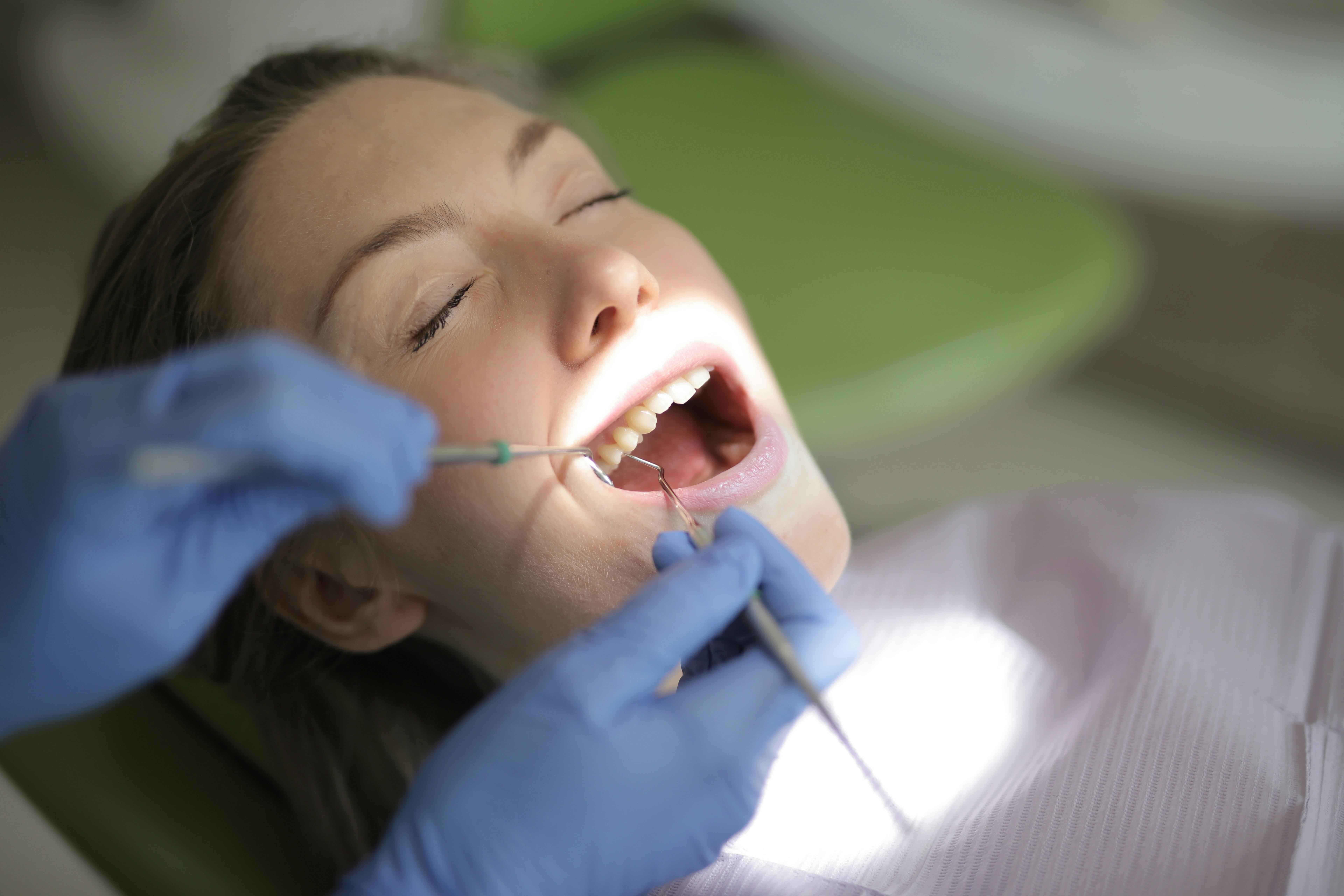
Periodontal dental care is an essential aspect of oral health that focuses on the prevention, diagnosis, and treatment of periodontal disease, commonly known as gum disease. This condition affects the gums and bones supporting the teeth, leading to severe oral health issues if left untreated. By understanding the basics of periodontal dental care, individuals can take proactive steps to maintain healthy gums and prevent periodontal disease from progressing. This article delves into the fundamentals of periodontal care and offers insights into effective strategies for maintaining optimal oral health.
What is Periodontal Disease?
Periodontal disease is a chronic inflammatory condition that affects the gum tissue and bone supporting the teeth. It typically begins with gingivitis, a milder form of gum disease characterized by red, swollen gums that bleed easily. If not addressed promptly, gingivitis can progress into periodontitis, a more severe form that can lead to tooth loss.
Common Symptoms of Periodontal Disease
- Red, swollen, or tender gums
- Bleeding while brushing or flossing
- Persistent bad breath
- Receding gums
- Loose or shifting teeth
- Painful chewing
If any of these symptoms are present, it is crucial to seek professional dental care. Discover expert strategies here to manage and treat periodontal disease effectively.
Risk Factors for Periodontal Disease
Understanding the risk factors associated with periodontal disease can help individuals take preventive measures. Some of the most common risk factors include:
- Poor oral hygiene
- Smoking and tobacco use
- Genetic predisposition
- Certain medical conditions, such as diabetes
- Stress
- Medications that cause dry mouth
- Hormonal changes, particularly in women
For those at higher risk, it is essential to explore advanced guides and tips for maintaining oral health and preventing the onset of periodontal disease.
Preventive Measures and Treatment Options
Preventive care and early intervention are key to managing periodontal disease effectively. Here are some strategies to consider:
Preventive Care
- Maintain a consistent oral hygiene routine, including brushing twice daily and flossing.
- Regular dental check-ups and professional cleanings.
- A balanced diet rich in vitamins and minerals to support gum health.
- Avoiding tobacco products.
Treatment Options
When periodontal disease is present, several treatment options can help control the infection and restore oral health. These options may include:
- Scaling and root planing: A deep cleaning procedure to remove plaque and tartar.
- Antibiotic therapy to control bacterial infection.
- Surgical treatments for advanced cases.
To find out more about this approach, consulting with dental professionals is advised for a tailored treatment plan.
Conclusion
Periodontal dental care plays a vital role in maintaining overall oral health and preventing serious dental issues. By staying informed about the risks, symptoms, and treatment options, individuals can take proactive steps to protect their gums and teeth. For comprehensive information on periodontal care and to learn about our tailored solutions, accessing professional resources and guidance is recommended.
0 Comments