

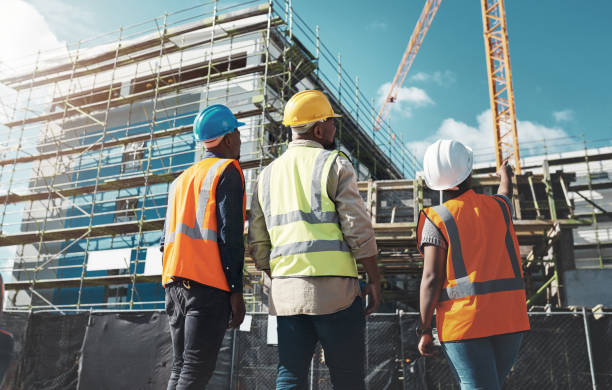
In the construction industry, effective project management is essential for the successful completion of projects, often acting as the backbone that supports timelines, budgets, and quality standards. As construction projects become increasingly complex, streamlining the construction project management process is more critical than ever. By adopting structured methodologies and leveraging advanced technologies, construction managers can ensure projects are executed efficiently, mitigating risks and maximizing productivity.
Understanding the Basics of Project Management in Construction
The core of project management involves overseeing the planning, design, and construction of a project from start to finish. This includes:
- Defining project scope and objectives
- Creating a comprehensive project plan
- Managing timeframes and deadlines
- Budgeting and cost management
- Ensuring quality control
- Facilitating communication among stakeholders
These elements form the foundation of a robust construction project management process, enabling managers to handle challenges proactively.
Key Strategies for Streamlining Construction Project Management
Implementing Advanced Technology
Technology plays a pivotal role in modernizing project management. Tools such as Building Information Modeling (BIM), project management software, and mobile applications offer significant advantages:
- BIM: Facilitates a collaborative approach, allowing stakeholders to visualize the project in 3D and make informed decisions.
- Project Management Software: Helps in tracking progress, managing resources, and maintaining schedules efficiently.
- Mobile Applications: Enable real-time communication and data sharing, enhancing on-site operations.
Effective Communication and Collaboration
Communication is key to any successful construction project. Establishing clear communication channels helps to ensure that all team members are aligned with project goals and updates. Consider the following methods:
- Regular team meetings and updates to discuss project progress and issues
- Utilizing collaboration platforms for seamless information sharing
- Engaging stakeholders through transparent reporting
Risk Management and Mitigation
Identifying potential risks early in the project lifecycle can save time and resources. Risk management involves:
- Conducting thorough risk assessments at the planning stage
- Developing contingency plans for unforeseen challenges
- Regularly reviewing and updating risk management strategies
Enhancing Efficiency with Lean Construction Practices
Lean construction principles focus on minimizing waste and maximizing value. By adopting lean practices, construction managers can enhance project efficiency:
- Streamlining processes to reduce time and cost
- Improving labor productivity and resource utilization
- Continuously evaluating and improving project workflows
Conclusion
Streamlining the construction project management process is not just about adopting new tools or methods; it’s about creating a cohesive strategy that integrates technology, communication, risk management, and lean practices. By doing so, construction managers can deliver projects more effectively, ensuring quality and client satisfaction while staying on time and within budget. As the industry evolves, staying informed on the latest trends and technologies will be pivotal in driving successful project outcomes.
0 Comments