

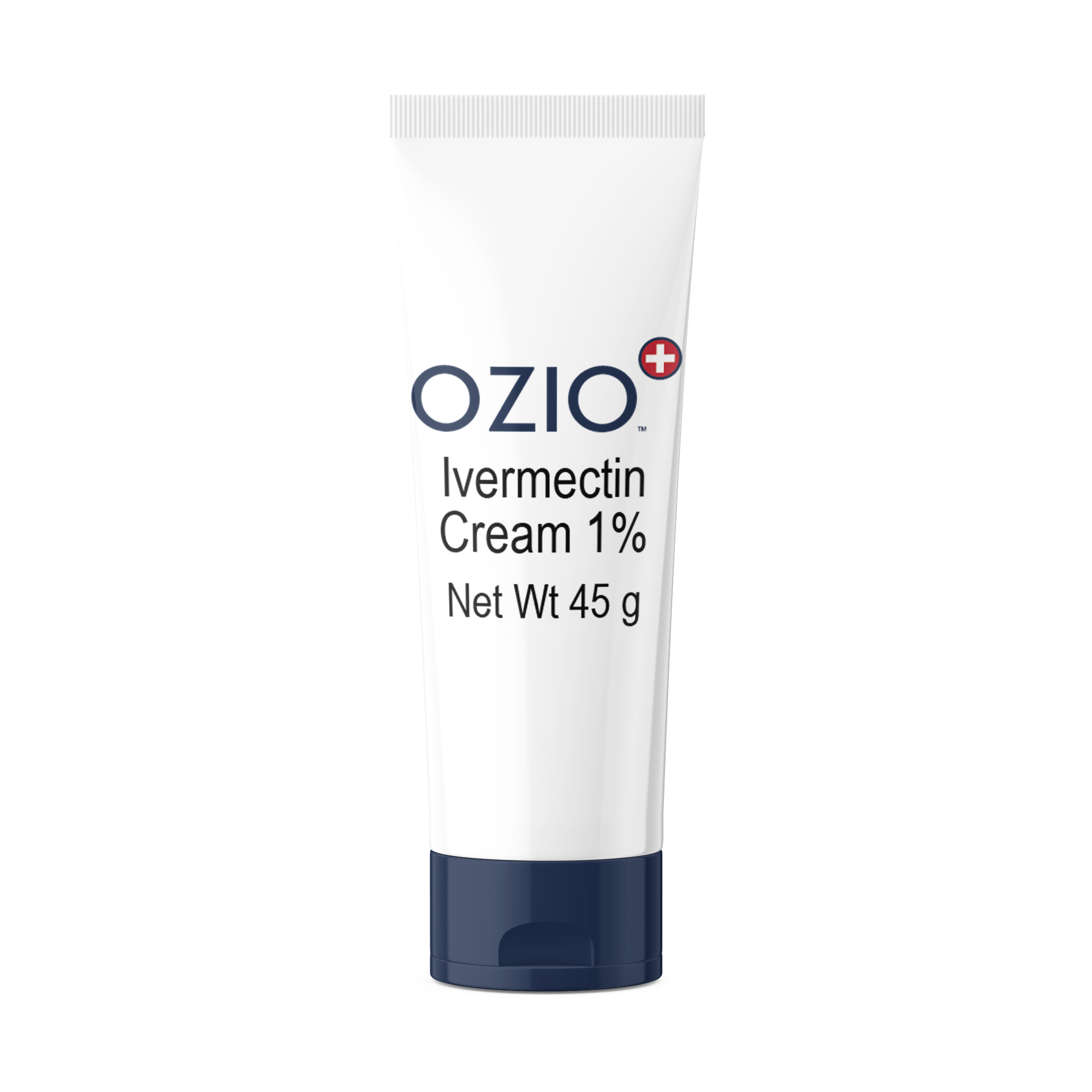
When it comes to treating rosacea-related bumps and pustules, dermatologists often turn to topical ivermectin formulations. Among the options on the market, Soolantra ivermectin 1 % cream has gained a reputation for its targeted anti-inflammatory action and favorable safety profile. However, a growing number of generic and alternative brands claim comparable efficacy at lower price points. Understanding how Soolantra stacks up against these competitors helps clinicians and patients make informed decisions about long-term skin health.
What Sets Soolantra Ivermectin 1 % Cream Apart?
Active ingredient and mechanism of action
- Contains 1 % ivermectin, a macrocyclic lactone with both antiparasitic and anti-inflammatory properties.
- Inhibits the production of inflammatory cytokines (IL-1β, IL-6, TNF-α) that contribute to rosacea lesions.
- Reduces the density of Demodex mites, which are implicated in the pathogenesis of papulopustular rosacea.
Formulation advantages
- Oil-in-water emulsion designed for rapid absorption and minimal residue.
- Non-comedogenic, fragrance-free, and suitable for sensitive skin.
- Stability data support a 12-month shelf life when stored at room temperature.
Comparison With Other Brands
Generic ivermectin creams
Several manufacturers offer generic versions that contain the same 1 % ivermectin concentration. While the active ingredient is identical, differences may arise in excipients, vehicle composition, and quality-control standards.
- Vehicle consistency: Some generics use a thicker cream base, which can feel greasier and may affect patient adherence.
- Preservative systems: Variations in preservatives can influence skin tolerance, especially for individuals with a history of contact dermatitis.
- Regulatory oversight: Branded products like Soolantra typically undergo more extensive post-marketing surveillance, providing additional safety data.
Alternative topical agents for rosacea
Beyond ivermectin, clinicians may prescribe metronidazole, azelaic acid, or brimonidine. These agents target different pathways (antimicrobial, keratolytic, vasoconstrictive) and are often used in combination therapy.
- Metronidazole: Primarily antimicrobial; slower onset of action for inflammatory lesions.
- Azelaic acid 15-% gel: Offers both anti-inflammatory and keratolytic effects; may cause transient tingling.
- Brimonidine 0.33 % gel: Provides rapid erythema reduction but does not address papules or pustules.
Clinical Efficacy and Safety Profile
Evidence from randomized controlled trials
Multiple Phase III studies have demonstrated that Soolantra achieves statistically significant reductions in inflammatory lesion counts after 12 weeks of once-daily application. Key outcomes include:
- ≈ 70 % of participants achieved a ≥ 50 % reduction in lesion count.
- Improvement in patient-reported quality of life scores (DLQI) comparable to oral doxycycline.
- Low incidence of adverse events, primarily mild transient burning or itching.
Safety considerations
- Contraindicated in patients with known hypersensitivity to ivermectin or any formulation component.
- Pregnant or breastfeeding individuals should consult a dermatologist before initiating therapy.
- Long-term data (up to 2 years) suggest no cumulative toxicity, making it suitable for chronic management.
Cost and Accessibility
Price can be a decisive factor for many patients. While Soolantra is often priced higher than generic counterparts, several online pharmacies provide competitive pricing and discreet shipping.
- Direct purchase options such as ivermectin 1 cream online streamline access for patients without a local pharmacy stock.
- For those specifically searching for the branded formulation, the link soolantra ivermectin 1 cream leads to a verified source.
- Patients looking for the most cost-effective route can explore bulk purchasing or subscription services via buy ivermectin cream 1 percent.
Practical Tips for Clinicians and Patients
- Start with a patch test: Apply a small amount to the forearm for 24 hours to rule out sensitivity.
- Consistent application: Use once daily, preferably in the evening, to maintain steady drug levels.
- Combine with skincare basics: Gentle cleanser, sunscreen (SPF 30+), and moisturizers that do not contain alcohol or fragrance.
- Monitor response: Re-evaluate lesion count and patient comfort at 4-week intervals; consider adjunctive therapy if improvement stalls.
Bottom Line
Soolantra ivermectin 1 % cream remains a benchmark for rosacea-related inflammatory lesions due to its dual anti-mite and anti-inflammatory action, well-documented efficacy, and strong safety record. While generic versions can offer cost savings, variations in formulation may affect tolerability and adherence. Alternative topical agents serve specific niches but rarely match the comprehensive benefits of ivermectin for papulopustular rosacea. Ultimately, the choice should balance clinical effectiveness, patient preference, and affordability, with reliable online sources simplifying the acquisition process.
0 Comments