

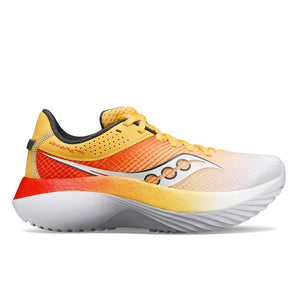
Choosing the right run shoes is more than a matter of style; it directly influences performance, injury prevention, and overall enjoyment of the sport. Whether a beginner is logging the first mile or an elite athlete is fine-tuning race day strategy, the perfect pair acts as a silent partner that adapts to foot mechanics, terrain, and training goals. This guide walks through the essential factors to consider, helping every runner make an informed decision that aligns with their unique needs.
Understanding Your Running Profile
Before diving into specific models, identify the key characteristics of your running routine. This self-assessment creates a foundation for selecting shoes that complement your biomechanics.
- Distance: Short sprints, middle-distance workouts, or long-haul runs each demand different cushioning and support levels.
- Terrain: Road, trail, treadmill, or track surfaces place distinct stresses on the shoe’s outsole and midsole.
- Foot Type: Neutral, overpronation, or supination patterns affect the required stability features.
- Training Frequency: High mileage runners often prioritize durability, while occasional joggers may favor lightweight feel.
Key Shoe Technologies to Look For
Cushioning Systems
Modern cushioning ranges from plush, maximalist foams that absorb impact to responsive, spring-like compounds that return energy. Runners seeking comfort on long runs may benefit from a softer stack, whereas speed-focused athletes often prefer a firmer feel.
Stability Features
For those with overpronation, shoes with medial posts or guide rails provide corrective support. Conversely, neutral runners should avoid excessive structure that can hinder natural motion.
Upper Construction
Engineered mesh, knit fabrics, and supportive overlays each offer a balance of breathability and lockdown. A snug yet flexible fit reduces slippage and blisters during extended sessions.
How to Test Fit and Comfort
- Length: Aim for a thumb’s width of space between the longest toe and the shoe’s front.
- Width: The shoe should hug the midfoot without pinching the sides.
- Heel Hold: A secure heel cup prevents slippage on downhill segments.
- **Dynamic Test: Run a short 400-meter loop in the store or on a treadmill to gauge real-world feel.
Choosing the Right Pair for Specific Running Goals
Road Racing
Road racers prioritize lightweight construction and a responsive ride. Look for shoes with a low drop and a streamlined silhouette. Explore advanced guides and tips on selecting race-day footwear that maximizes speed without sacrificing protection.
Trail Running
Trail shoes need aggressive lugs, rock plates, and reinforced uppers to navigate uneven terrain. Waterproof membranes are advantageous in wet conditions. For a curated selection of trail-ready options, Discover expert strategies here and compare durability ratings.
Training and Recovery
Daily training shoes should balance cushioning with durability, while recovery shoes focus on maximum shock absorption. Rotating between a supportive trainer and a softer recovery model can extend the lifespan of both pairs.
Maintenance and Longevity Tips
- Rotate between at least two pairs to allow midsole recovery.
- Keep shoes dry; air-dry after runs in wet weather.
- Inspect outsole wear patterns regularly; replace when tread depth falls below 4 mm.
- Store in a cool, ventilated area away from direct sunlight.
Where to Find Quality Selections
Curated collections that combine expert curation with detailed product data simplify the decision-making process. By browsing a reputable online catalog, runners can compare specifications, read user reviews, and view high-resolution images that highlight key features. Learn about our tailored solutions to streamline the search for the ideal pair.
Final Checklist Before Purchase
- Identify primary running surface and distance goals.
- Determine foot type and required stability level.
- Review cushioning and upper technology that matches your preferences.
- Confirm warranty and return policy for a risk-free trial.
3. Test fit with a short run or treadmill session.
Investing time in understanding these factors transforms shoe shopping from a guesswork exercise into a strategic choice that supports performance, health, and enjoyment. With the right pair in place, every stride becomes an opportunity to push limits and celebrate the freedom of running.
0 Comments