

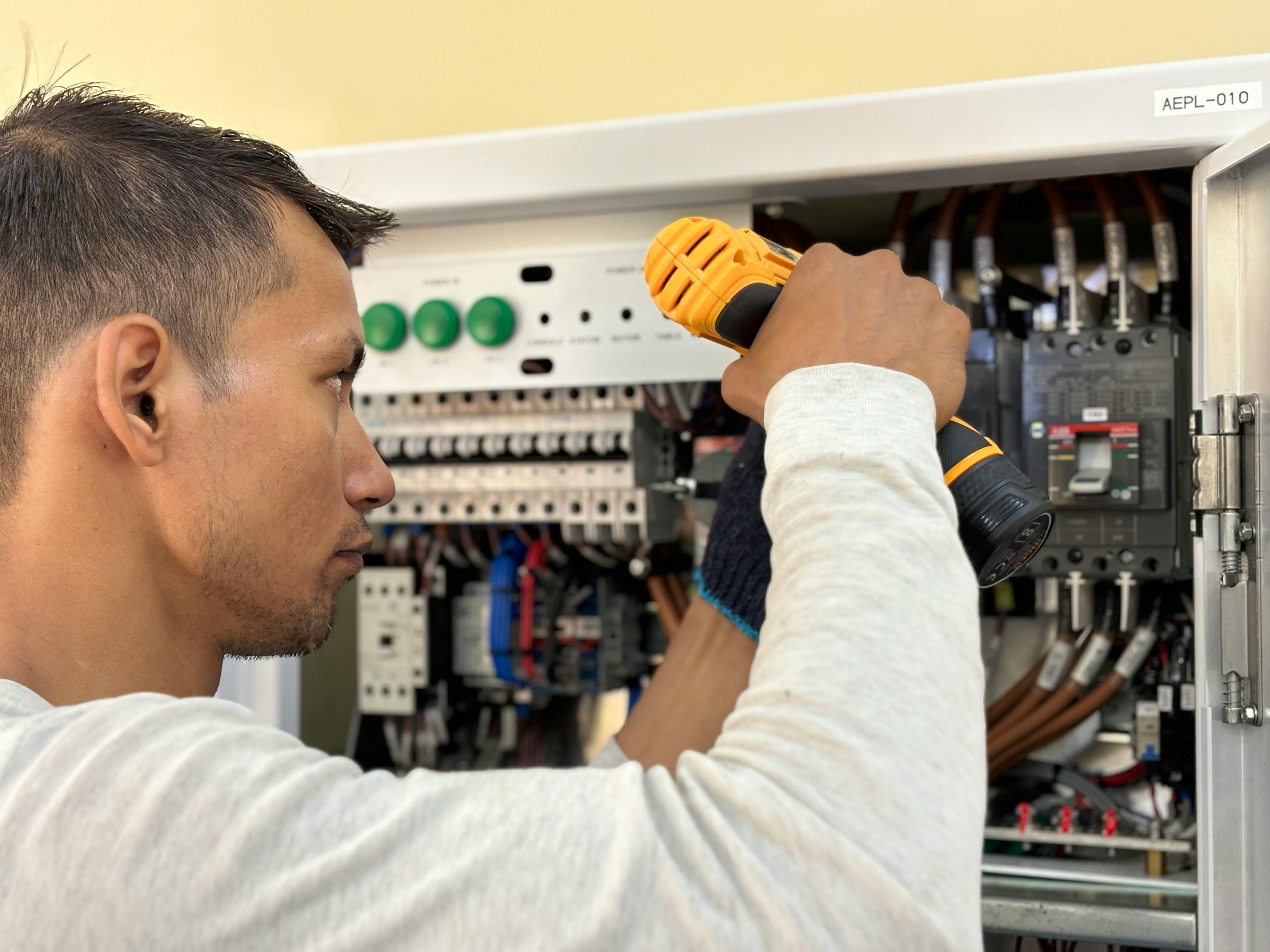
Modern homes rely heavily on electricity for comfort, safety, and convenience. From lighting and heating to smart home devices, a reliable electrical system is the backbone of daily life. Ensuring that residential wiring, panels, and outlets function safely and efficiently not only protects occupants but also reduces energy waste and long-term costs. This guide explores the key components of residential electrical services, highlights best practices for safety and efficiency, and outlines how homeowners can access affordable, high-quality solutions.
Understanding Core Residential Electrical Services
Electrical Inspections and Safety Audits
Regular inspections identify potential hazards before they become costly emergencies. A thorough audit typically includes:
- Verification of proper grounding and bonding.
- Assessment of circuit breaker capacity and condition.
- Inspection of outlet placement, especially GFCI and AFCI requirements.
- Evaluation of wiring age, insulation integrity, and signs of wear.
Homeowners seeking detailed guidance can Discover expert strategies here to schedule routine checks and maintain compliance with local codes.
Panel Upgrades and Load Management
Older panels often lack the capacity to handle today’s energy-intensive appliances. Upgrading to a modern breaker panel provides:
- Increased amperage to support HVAC, electric vehicles, and home offices.
- Enhanced safety features such as arc-fault protection.
- Better organization for future circuit additions.
For a step-by-step overview of panel replacement, Explore advanced guides and tips that walk through planning, permitting, and installation.
Lighting Solutions for Efficiency
Lighting accounts for a significant portion of residential electricity use. Switching to LED technology and implementing smart controls can cut consumption dramatically.
- LED bulbs use up to 80% less energy than incandescent equivalents.
- Occupancy sensors eliminate waste in rarely used rooms.
- Dimmer switches extend bulb life and allow customized ambiance.
Homeowners interested in sustainable lighting designs can Learn about our tailored solutions that balance aesthetics, performance, and cost.
Ensuring Safety Through Proper Installation and Maintenance
Code Compliance and Permit Requirements
All electrical work must adhere to the National Electrical Code (NEC) and local regulations. Failure to obtain proper permits can lead to:
- Void insurance coverage.
- Potential fines from municipal authorities.
- Increased risk of fire or electrocution.
Guidance on navigating permitting processes is available at Find out more about this approach, ensuring projects stay on schedule and within legal parameters.
Routine Maintenance Practices
Even after a professional installation, ongoing care is essential. Recommended maintenance tasks include:
- Testing GFCI outlets monthly.
- Cleaning dust from panels and switchgear.
- Checking for loose connections after severe weather.
- Scheduling annual professional inspections.
Practical checklists and reminders can be found by Discover expert strategies here, helping homeowners stay proactive.
Affordability Without Compromising Quality
Cost-Effective Upgrades
Investing in energy-efficient upgrades often yields rapid payback. Consider these budget-friendly options:
- Replacing a single 60-watt incandescent bulb with a 10-watt LED saves roughly $1 per bulb annually.
- Installing programmable thermostats reduces heating and cooling bills by up to 15%.
- Adding a small solar inverter for low-power loads can offset daytime consumption.
For detailed cost-benefit analyses, Explore advanced guides and tips that include calculators and real-world case studies.
Financing and Incentive Programs
Many utilities and government agencies offer rebates, tax credits, or low-interest loans for energy-saving electrical work. Typical programs include:
- Federal Residential Energy Efficient Property Credit.
- State-specific LED lighting rebates.
- Utility-provided demand-response incentives.
Information on current incentives can be accessed through Learn about our tailored solutions, which regularly updates available offers.
Choosing the Right Electrical Service Provider
Key Evaluation Criteria
When selecting a professional for residential projects, prioritize the following factors:
- Licensing and insurance verification.
- Experience with modern, energy-efficient technologies.
- Transparent pricing and written estimates.
- Positive customer reviews and references.
Resources that help compare providers and understand service scopes are available at Find out more about this approach.
Communication and Project Management
Effective communication ensures that project timelines, costs, and expectations are clear. Look for providers who:
- Offer detailed project plans before work begins.
- Provide regular status updates.
- Maintain a clean work environment and respect the home.
Best practices for collaborating with electricians can be reviewed through Discover expert strategies here.
Conclusion
Residential electrical services are essential for maintaining a safe, efficient, and affordable home environment. By understanding core services, adhering to safety standards, and leveraging cost-saving technologies, homeowners can enjoy reliable power while minimizing risk and expense. Access to expert guidance, such as the resources offered at Explore advanced guides and tips, empowers residents to make informed decisions and secure high-quality electrical solutions that stand the test of time.
0 Comments