

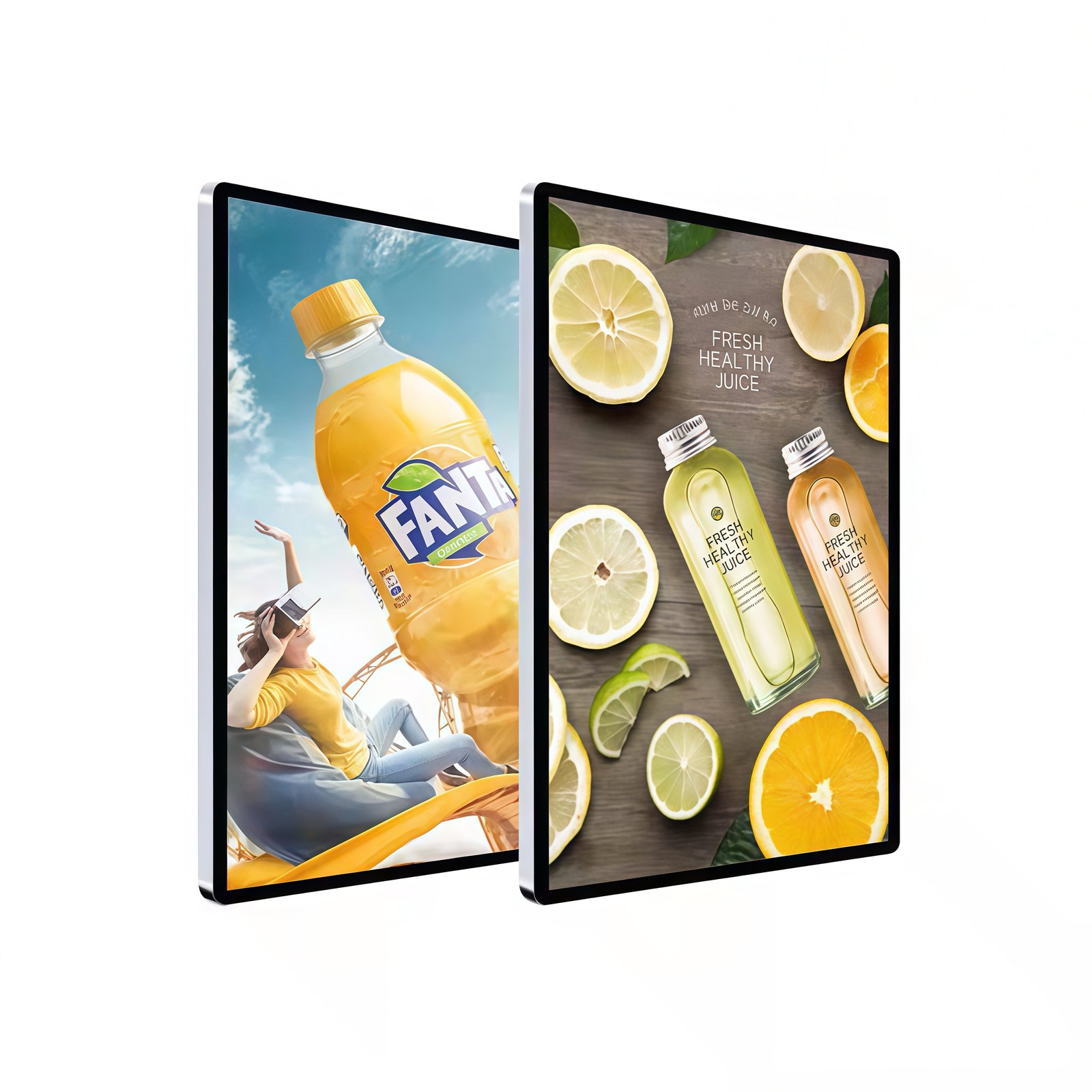
Outdoor signage displays are a cornerstone of effective advertising, especially when the campaign must endure the unpredictable elements of nature. From scorching summer heat to relentless rain and gusty winds, a well-chosen sign can maintain its visual impact and structural integrity for years. Understanding the materials, mounting techniques, and maintenance practices that make signage truly weather-resistant is essential for any business that wants to maximize visibility without constantly replacing assets.
Choosing the Right Materials for Durability
The foundation of a weather-resistant sign lies in the material selection. Each option offers distinct advantages depending on the climate and the intended lifespan of the display.
Aluminum and Powder-Coated Steel
- Lightweight yet strong, reducing load on mounting structures.
- Powder-coating provides a protective barrier against UV radiation and corrosion.
- Recyclable, supporting sustainable branding initiatives.
Acrylic and Polycarbonate Panels
- High impact resistance, ideal for high-traffic areas.
- Excellent clarity for illuminated signs, even after prolonged sun exposure.
- Available in a range of thicknesses to suit wind load requirements.
Vinyl Wraps and Mesh Banners
- Cost-effective for temporary or seasonal campaigns.
- Mesh construction allows wind to pass through, reducing strain on the mounting system.
- UV-inhibiting inks preserve color vibrancy over time.
For a deeper dive into material performance and selection criteria, anchor text provides a comprehensive overview of industry standards.
Mounting Strategies that Withstand the Elements
Even the most robust material can fail if the mounting system is inadequate. Proper engineering ensures that the sign remains securely attached while allowing for natural movement caused by wind.
Structural Supports
- Use galvanized or stainless-steel brackets to resist rust.
- Incorporate cross-bracing for large formats to distribute wind load evenly.
- Employ concrete footings or reinforced poles for ground-mounted installations.
Wind Load Calculations
- Consult local building codes to determine the required wind pressure rating.
- Consider the sign’s surface area, shape, and orientation.
- Utilize software tools or professional engineers for precise assessments.
Practical guidelines on calculating wind loads and selecting appropriate hardware can be Discover expert strategies here.
Protective Finishes and Coatings
Finishes act as the first line of defense against moisture, UV rays, and pollutants. Selecting the right coating extends the lifespan of the sign and maintains its aesthetic appeal.
- UV-Resistant Lacquers: Prevent fading and brittleness caused by prolonged sun exposure.
- Anti-Corrosion Treatments: Zinc-rich primers and epoxy paints shield metal components from rust.
- Water-Repellent Sealants: Silicone or polyurethane sealants seal joints and seams, preventing water ingress.
For a curated list of recommended finishes, Learn about our tailored solutions. (Note: this link demonstrates alternative anchor phrasing; the primary URL remains https://beten.co.uk/.)
Maintenance Practices for Longevity
Regular upkeep is vital to preserving the sign’s performance. A proactive maintenance schedule reduces unexpected downtime and costly replacements.
Inspection Checklist
- Check fasteners and brackets for looseness or corrosion every six months.
- Inspect surface for cracks, peeling paint, or faded graphics.
- Clean the sign with mild detergent and soft cloth to remove dirt and pollutants.
Seasonal Care
- Apply a fresh coat of protective sealant before the rainy season.
- Use protective covers during extreme weather events such as hailstorms.
- Re-apply UV-blocking coatings annually in high-sunlight regions.
Detailed maintenance schedules and best-practice guides are available at Explore advanced guides and tips.
Case Studies: Real-World Applications
Examining successful implementations provides insight into how theory translates into practice.
- Retail Chain in Coastal Town: Utilized powder-coated aluminum frames with marine-grade fasteners, resulting in a 5-year lifespan with minimal upkeep.
- Outdoor Event Venue: Adopted mesh banners with UV-inhibited inks, allowing quick changes between events while withstanding high winds.
- Public Transport Hub: Installed illuminated acrylic panels protected by UV lacquer, maintaining brightness and clarity despite constant exposure to sunlight.
For additional examples and performance metrics, Find out more about this approach.
Conclusion
Investing in weather-resistant outdoor signage is not merely about choosing a durable material; it involves a holistic approach that encompasses smart mounting, protective finishes, and disciplined maintenance. By adhering to industry-proven practices and leveraging expert resources, businesses can ensure that their advertising remains vibrant, legible, and structurally sound, regardless of the elements. This strategic focus translates directly into sustained brand visibility and a stronger connection with the target audience.
0 Comments