

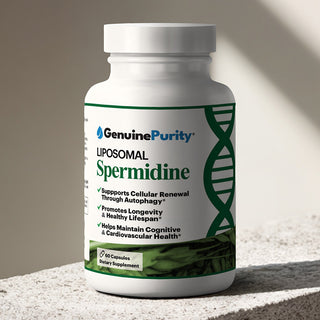
In recent years, the supplement industry has witnessed a paradigm shift driven by advances in nanotechnology and delivery science. Among the most promising innovations is the liposomal delivery system, which encapsulates active ingredients within phospholipid vesicles to protect them from degradation and enhance absorption. This technology not only improves bioavailability but also enables precise targeting of nutrients to specific tissues, addressing long-standing challenges associated with conventional oral supplements. As research continues to validate its benefits, liposomal formulas are emerging as a cornerstone of next-generation nutritional support.
What Are Liposomal Formulas?
Liposomal formulas consist of microscopic, spherical vesicles, called liposomes, made from naturally occurring phospholipids. These vesicles mimic the structure of cell membranes, allowing them to merge seamlessly with intestinal cells and release their payload directly into the bloodstream. The result is a markedly higher proportion of the active ingredient reaching systemic circulation compared to traditional tablets or capsules.
Key Advantages
- Enhanced Bioavailability: Studies show that liposomal encapsulation can increase absorption rates by 2- to 10-fold, depending on the ingredient.
- Protection from Stomach Acid: The phospholipid shell shields sensitive compounds from acidic degradation, preserving potency.
- Targeted Delivery: Liposomes can be engineered to preferentially interact with specific cell types, improving therapeutic outcomes.
- Reduced Dosage Requirements: Higher efficiency often means lower daily doses are needed, minimizing the risk of side effects.
How Liposomal Delivery Works
The process begins with the creation of a thin film of phospholipids, which is then hydrated with the active ingredient solution. Through sonication or high-pressure homogenization, the mixture forms uniform liposomes ranging from 50 to 200 nanometers in diameter. These vesicles are subsequently filtered and packaged under controlled conditions to maintain stability.
Step-by-Step Overview
- Ingredient Selection: Choose a nutraceutical that benefits from enhanced stability or absorption.
- Phospholipid Sourcing: Use high-purity soy, sunflower, or egg-derived phospholipids for optimal membrane formation.
- Encapsulation: Combine the active with phospholipids under controlled temperature and pH to form liposomes.
- Size Reduction: Apply sonication or extrusion to achieve the desired particle size distribution.
- Quality Assurance: Test for encapsulation efficiency, particle size, and oxidative stability.
Applications Across Nutraceutical Categories
Liposomal technology is versatile, finding relevance in a wide array of supplement categories. Whether the goal is to boost antioxidant capacity, support immune function, or enhance cognitive performance, liposomal delivery can amplify the efficacy of the active compounds.
Examples of Liposomal Supplements
- Vitamins: Liposomal vitamin C and vitamin D formulations deliver higher plasma concentrations with fewer gastrointestinal complaints.
- Herbal Extracts: Curcumin, resveratrol, and green tea catechins benefit from protection against oxidation and improved intestinal uptake.
- Minerals: Magnesium and zinc, often limited by poor solubility, achieve better absorption when encapsulated.
- Specialty Compounds: NAD+, coenzyme Q10, and certain peptides reach target tissues more efficiently via liposomal carriers.
Scientific Evidence Supporting Liposomal Efficacy
Peer-reviewed studies consistently demonstrate the superiority of liposomal delivery over conventional forms. For instance, a double-blind trial comparing liposomal vitamin C to standard tablets reported a 4-fold increase in plasma ascorbate levels after a single dose. Similarly, liposomal curcumin has shown enhanced anti-inflammatory activity in clinical settings, attributed to its improved systemic exposure.
Key Findings from Recent Research
- In a 2022 pharmacokinetic study, liposomal glutathione achieved a 6-fold rise in blood concentration relative to oral glutathione powder.
- Animal models indicate that liposomal omega-3 fatty acids cross the blood-brain barrier more effectively, suggesting potential neuroprotective benefits.
- Human trials of liposomal NAD+ supplementation report measurable increases in cellular NAD+ pools, correlating with improved energy metabolism.
Choosing Quality Liposomal Products
When evaluating liposomal supplements, consider the following criteria to ensure product integrity and performance:
Quality Checklist
- Encapsulation Efficiency: Look for products that disclose a minimum of 70% encapsulation, indicating a high proportion of active ingredient is protected.
- Particle Size Distribution: Uniform vesicles within the 50-150″?nm range are optimal for absorption.
- Stability Testing: Products should demonstrate minimal degradation over the stated shelf life, even under varying temperature conditions.
- Third-Party Verification: Independent lab results provide confidence in purity and potency.
- Transparent Sourcing: Phospholipids derived from non-GMO, sustainably sourced plants reduce allergen risk.
Brands that prioritize these standards often provide detailed batch reports and employ manufacturing practices compliant with Good Manufacturing Practices (GMP). For a curated selection of rigorously tested options, explore the dedicated collection of Liposomal Formulas available from reputable suppliers.
Future Directions and Emerging Trends
The evolution of liposomal technology is poised to intersect with other cutting-edge fields, such as personalized nutrition and smart delivery systems. Anticipated developments include:
- Targeted Ligand Attachment: Adding specific antibodies or peptides to liposome surfaces to direct nutrients to diseased cells or organs.
- Hybrid Nanocarriers: Combining liposomes with polymeric nanoparticles to further control release kinetics.
- Digital Formulation Platforms: Using AI to predict optimal liposome composition for individual metabolic profiles.
Conclusion
Liposomal formulas represent a transformative step in supplement science, addressing long-standing limitations of absorption, stability, and targeted delivery. By encapsulating active ingredients within biocompatible phospholipid vesicles, these products achieve superior bioavailability while safeguarding nutrients from harsh gastrointestinal environments. As clinical evidence mounts and manufacturing processes become more refined, liposomal delivery is set to become the benchmark for high-performance nutritional support. Consumers seeking measurable results should prioritize products that demonstrate robust encapsulation efficiency, rigorous quality testing, and transparent sourcing, attributes that collectively define the future of effective, targeted supplementation.
0 Comments