

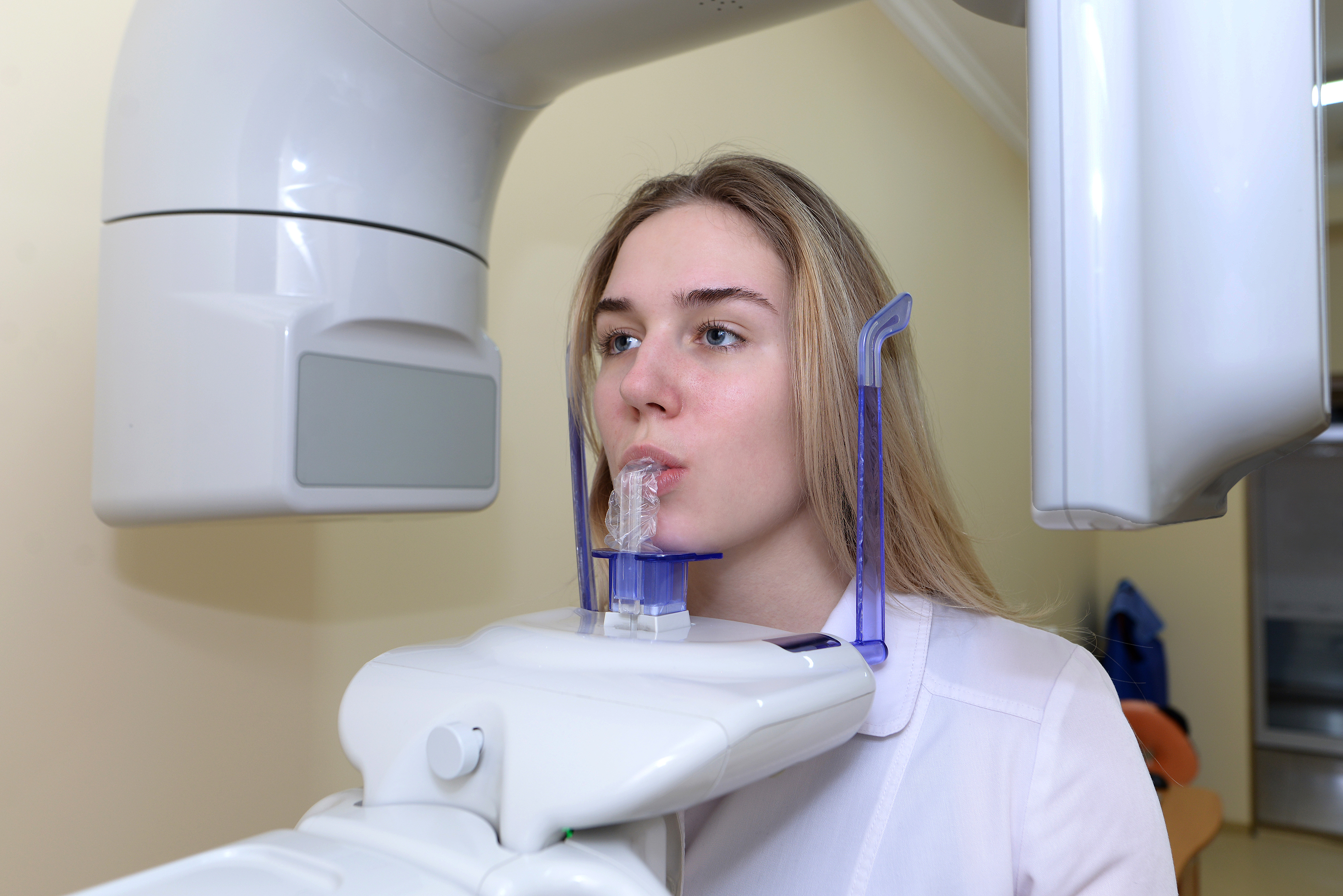
The advent of digital panoramic radiograph technology is significantly transforming modern dental practices by providing a comprehensive view of the oral cavity, which aids in accurate diagnosis and treatment planning. This technology has streamlined dental diagnostics, enhancing the precision and efficiency of dental care. As dental professionals continue to embrace technological advancements, digital panoramic radiography stands out for its ability to deliver high-quality images with reduced radiation exposure, thus ensuring improved patient safety and care.
The Advantages of Digital Panoramic Radiographs
Digital panoramic radiographs offer numerous benefits that are reshaping the landscape of dental diagnostics. These advantages include:
- Comprehensive Imaging: This technology captures the entire mouth, including teeth, jaws, and surrounding structures, in a single image. This provides a holistic view that is essential for comprehensive diagnosis and treatment planning.
- Enhanced Accuracy: The precision of digital imaging ensures that dentists can accurately assess dental conditions, such as impacted teeth, jaw disorders, and bone abnormalities.
- Reduced Radiation Exposure: Compared to traditional X-rays, digital panoramic radiographs require significantly less radiation, enhancing patient safety.
- Time Efficiency: The quick capture and immediate availability of images streamline the diagnostic process, allowing for faster decision-making.
- Improved Patient Communication: The clear and detailed images are an effective tool for explaining diagnoses and treatment options to patients, improving understanding and trust.
Applications in Modern Dentistry
The implementation of digital panoramic radiograph technology is pivotal in various dental procedures and specialties. Some key applications include:
Orthodontics
In orthodontics, panoramic radiographs are crucial for evaluating tooth alignment and planning braces or other corrective treatments. The comprehensive images allow orthodontists to visualize the position of unerupted teeth and the overall jaw structure, ensuring a tailored treatment plan.
Oral Surgery
For oral surgeons, digital panoramic radiography is invaluable in planning surgical procedures such as the extraction of wisdom teeth, implant placement, and the treatment of jaw fractures. The detailed imagery helps in assessing the proximity of critical anatomical structures, reducing the risk of complications.
Periodontics
Periodontists utilize panoramic radiographs to evaluate the bone levels around teeth, aiding in the diagnosis and management of periodontal diseases. This technology facilitates the monitoring of bone loss and the effectiveness of periodontal treatments over time.
The Future of Dental Imaging Technology
As technology continues to advance, the integration of digital panoramic radiograph systems with other digital tools promises even more innovative solutions for dental care. Future developments may include:
- 3D Imaging Integration: Combining panoramic radiography with 3D imaging technologies such as Cone Beam Computed Tomography (CBCT) for enhanced diagnostic capabilities.
- Artificial Intelligence: Leveraging AI to assist in the interpretation of radiographic images, improving diagnostic accuracy and efficiency.
- Cloud-Based Solutions: Utilizing cloud technology to store and share digital images seamlessly across dental practices, enhancing collaboration and continuity of care.
The adoption of digital panoramic radiograph technology is a testament to the ongoing commitment to improve dental care through innovative solutions. The dental sector is poised for significant advancements as these technologies continue to evolve, ultimately enhancing patient outcomes and satisfaction.
0 Comments