

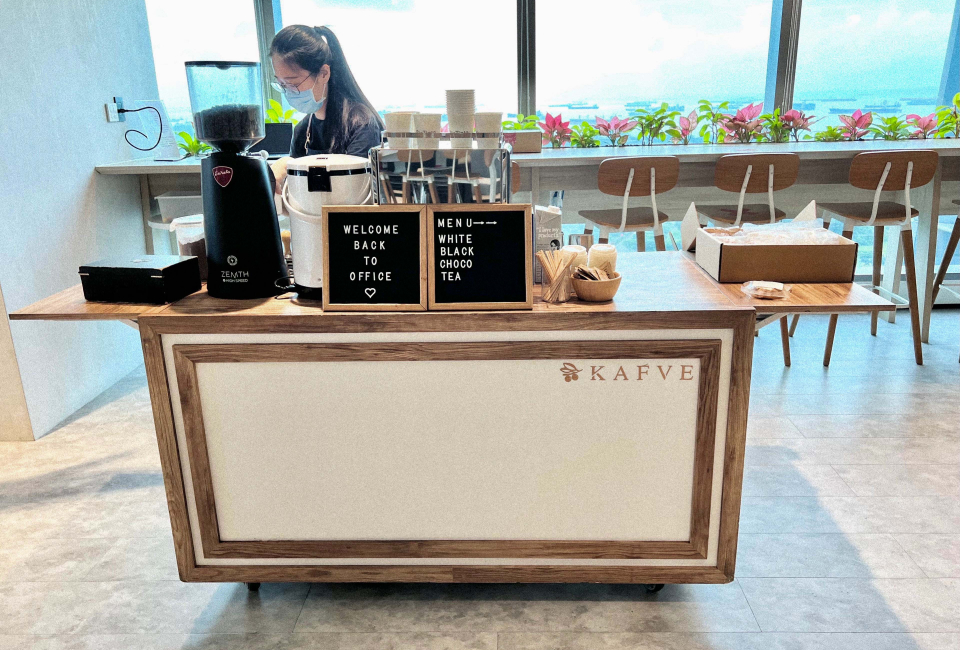
In today’s fast-paced corporate environment, the coffee break has evolved from a simple caffeine fix into a strategic touchpoint that shapes morale, collaboration, and overall workplace culture. When a skilled barista sets up shop inside an office, the impact goes far beyond the aroma of freshly brewed espresso. By blending craft, conversation, and convenience, an office barista becomes a catalyst for stronger teams, heightened creativity, and a more vibrant office atmosphere. Below are practical insights and actionable tips drawn from the experience of a seasoned coffee barista in Singapore, illustrating how this role can elevate workplace culture.
Why an Office Barista Matters
Beyond serving drinks, an office barista fulfills several subtle yet powerful functions:
- Community Builder: The coffee station becomes a natural gathering spot where employees from different departments intersect.
- Productivity Booster: A well-timed coffee break can refresh focus, reducing fatigue and improving output.
- Brand Experience: Offering premium coffee signals that the organization values quality and employee wellbeing.
- Learning Hub: Baristas can share brewing knowledge, encouraging curiosity and a culture of continuous learning.
Designing the Ideal Coffee Space
Location and Layout
Placement is crucial. Choose a high-traffic area that is easily accessible yet does not disrupt workflow. Open-plan offices benefit from a central kiosk, while larger campuses might opt for multiple mini-stations.
Equipment Selection
Invest in equipment that balances performance with ease of use. A reliable espresso machine, a grinder with consistent dosing, and a sleek milk frother are essentials. For sustainability-focused workplaces, consider a machine with energy-saving modes and reusable cups.
Visual Appeal
Clean lines, neutral colours, and subtle branding create an inviting atmosphere. Adding a small chalkboard for daily brew specials adds a personal touch and encourages interaction.
How a Barista Enhances Daily Interactions
- Personalised Service: Remembering regular orders makes employees feel recognized.
- Conversation Starters: Discussing coffee origins or brewing techniques sparks casual dialogue.
- Skill Demonstrations: Live latte-art sessions turn a routine pause into a mini-workshop.
- Feedback Loop: Collecting preferences helps refine the beverage menu, reinforcing a sense of co-creation.
Integrating Culture-Driven Initiatives
Themed Coffee Days
Align coffee themes with company events, e.g., “Innovation Brew” during product launches or “Wellness Wednesday” featuring herbal infusions. This creates a narrative that ties the coffee experience to broader organisational goals.
Cross-Departmental Collaboration
Schedule “coffee chats” where employees from different teams sit together for a short, informal discussion. The barista can act as a facilitator, prompting topics such as recent project wins or upcoming challenges.
Employee Recognition
Celebrate milestones with a custom drink named after the honoree. A simple gesture like a “Congrats Cappuccino” reinforces appreciation and adds a fun, memorable element to recognition programs.
Practical Tips from a Singapore Coffee Barista
- Maintain a consistent grind size; it’s the foundation of flavour balance.
- Use filtered water, taste differences are noticeable, especially in espresso.
- Train staff on basic espresso etiquette: tamp evenly, brew within 25-30 seconds.
- Offer a rotating selection of beans from local roasters to showcase Singapore’s vibrant coffee scene.
- Encourage reusable cup usage by providing a small discount or loyalty stamp.
Measuring the Impact
Quantifying the cultural benefits of an office barista can be done through simple metrics:
- Employee Satisfaction Surveys: Include questions about coffee quality and social interaction.
- Utilisation Rates: Track the number of drinks served per day to gauge engagement.
- Retention Figures: Compare turnover rates before and after the coffee program’s launch.
- Innovation Index: Monitor the frequency of cross-functional projects that originated from coffee-break conversations.
Choosing the Right Partner
When selecting a service provider, look for a team that understands both coffee craftsmanship and workplace dynamics. A professional coffee barista Singapore will bring expertise in bean selection, equipment maintenance, and staff training, ensuring the coffee experience aligns with the company’s cultural objectives.
Conclusion
Integrating an office barista is more than a perk; it’s a strategic investment in the social fabric of an organisation. By curating a dedicated coffee space, fostering spontaneous interactions, and aligning beverage offerings with company values, businesses can nurture a culture of collaboration, creativity, and employee well-being. As the coffee industry continues to innovate, the role of the barista within the workplace will only grow more influential, making it a worthwhile addition for forward-thinking organisations.
0 Comments