

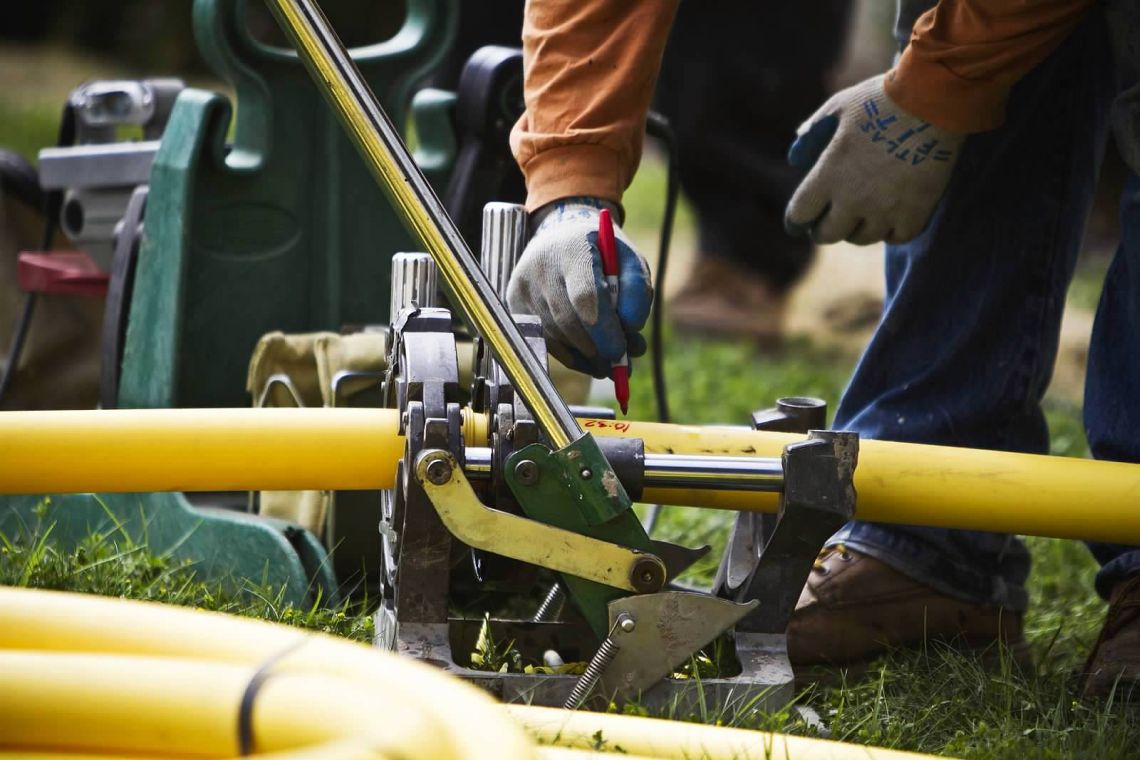
Gas lines are the lifelines of modern homes and commercial facilities, delivering fuel for heating, cooking, and hot water. When a gas line is compromised, the consequences can range from inconvenient outages to hazardous leaks that threaten lives and property. Understanding how to maintain, diagnose, and promptly address issues is essential for anyone responsible for building safety. This article explores the key aspects of gas line repair, the signs that indicate a problem, and best practices for ensuring both safety and efficiency.
Why Professional Gas Line Repair Matters
Improper handling of gas pipelines can lead to:
- Carbon monoxide exposure, a silent and potentially deadly threat.
- Fire or explosion hazards due to leaks or faulty connections.
- Reduced appliance efficiency, resulting in higher energy bills.
- Non-compliance with local building codes, which can affect insurance and resale value.
Engaging a qualified gas line repair service ensures that repairs meet industry standards, are performed safely, and restore system performance without unnecessary downtime.
Common Signs of a Faulty Gas Line
Odor and Auditory Clues
Natural gas is odorized with a sulfur-like scent to aid detection. If a faint “rotten egg” smell is noticed near appliances, it may indicate a minor leak. Additionally, hearing a hissing sound from concealed piping warrants immediate investigation.
Physical Indicators
- Discolored or bubbling paint near pipe runs.
- Corrosion or rust on exposed fittings.
- Visible cracks or dents in flexible gas tubing.
Performance Issues
Irregular flame patterns, sputtering burners, or a sudden loss of heat can be symptomatic of inadequate gas pressure caused by leaks or blockages.
Steps in a Typical Gas Line Repair Process
- Initial Assessment: A certified technician conducts a visual inspection and uses gas detectors to locate leaks.
- Pressure Testing: The system is pressurized and monitored for pressure drops that confirm leak locations.
- Repair or Replacement: Damaged sections are either repaired with approved fittings or replaced entirely, depending on the severity.
- Safety Verification: After repairs, the line is re-tested, and a leak-free certification is issued.
Choosing a reputable gas line repair service guarantees that each of these steps follows local codes and manufacturer guidelines, minimizing future complications.
Preventive Maintenance Best Practices
Regular upkeep reduces the likelihood of emergency repairs and extends the lifespan of gas infrastructure:
- Schedule annual inspections by licensed professionals.
- Install and maintain carbon monoxide detectors in key areas.
- Keep combustible materials away from gas lines and appliances.
- Replace aging flexible tubing according to manufacturer recommendations.
Choosing the Right Service Provider
When evaluating potential contractors, consider the following criteria:
- Licensing and Certification: Verify state-issued gas fitting licenses.
- Experience: Look for providers with a proven track record in residential and commercial gas line work.
- Insurance Coverage: Ensure the company carries adequate liability insurance.
- Customer Reviews: Read feedback regarding timeliness, professionalism, and post-repair support.
By selecting a skilled gas line repair service, property owners gain confidence that any issues will be resolved efficiently and safely.
Conclusion
Gas line integrity is non-negotiable when it comes to safety, comfort, and cost-effectiveness. Recognizing early warning signs, adhering to a disciplined maintenance schedule, and partnering with qualified repair professionals are the cornerstones of a reliable gas system. Investing in proper care today prevents hazardous incidents tomorrow, ensuring that homes and businesses continue to operate smoothly and safely.
0 Comments