

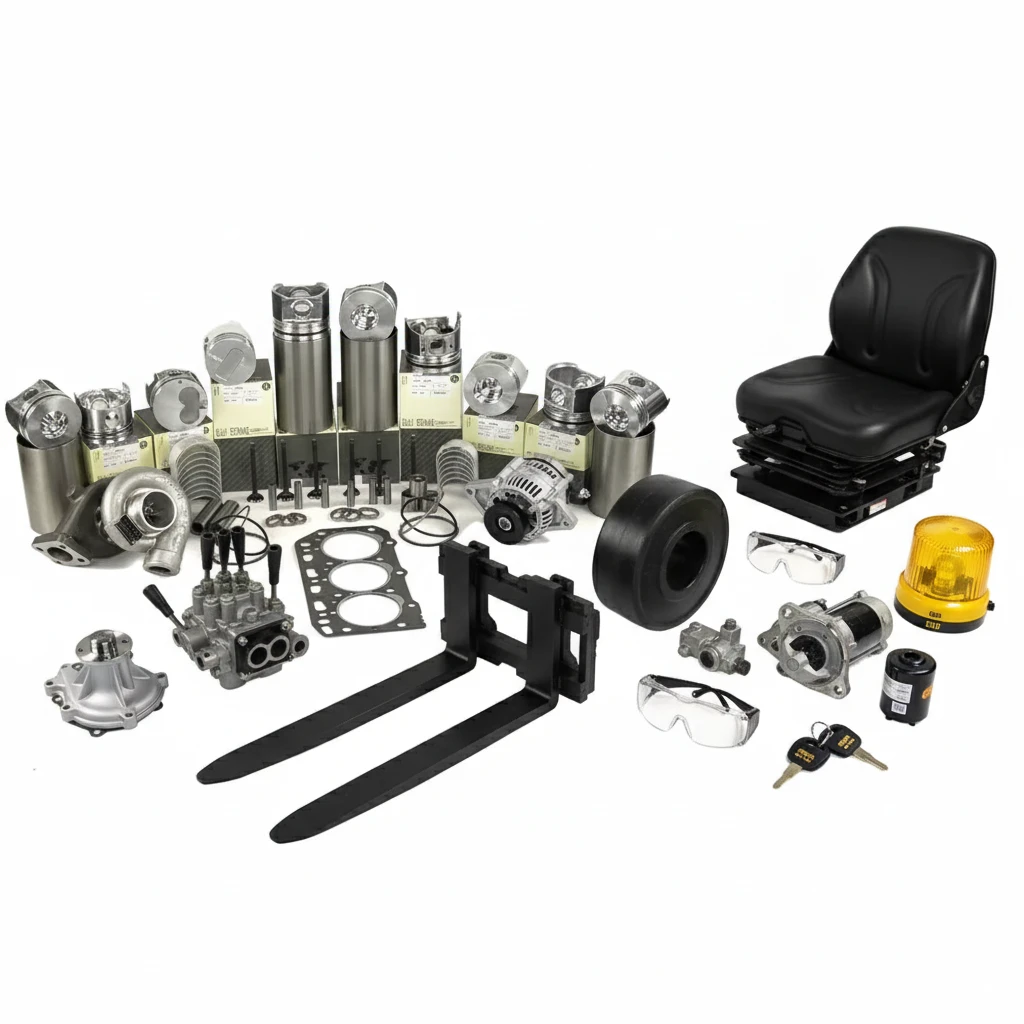
Forklift radiators play a critical role in maintaining optimal engine temperature, preventing overheating, and ensuring reliable performance in demanding warehouse environments. Over time, wear, corrosion, and mechanical stress can diminish a radiator’s effectiveness, leading to costly downtime if not addressed promptly. Recognizing the early signs that a radiator needs replacement can extend the lifespan of the forklift and keep operations running smoothly.
Common Indicators That a Forklift Radiator Is Failing
Identifying radiator problems early helps avoid severe engine damage. The following symptoms are typical warning signs:
- Overheating engine: The temperature gauge consistently reads higher than normal, especially under load.
- Coolant leaks: Puddles of coolant beneath the forklift or visible wet spots on the radiator fins.
- Unusual noises: Hissing, gurgling, or grinding sounds from the cooling system.
- Reduced performance: Decreased lifting capacity or slower acceleration due to insufficient cooling.
- Corroded or clogged fins: Visible rust, debris, or buildup that restricts airflow.
Why Timely Replacement Matters
Continuing to operate a forklift with a compromised radiator can lead to:
- Engine overheating and potential seizure.
- Increased fuel consumption as the engine works harder.
- Accelerated wear on other cooling components, such as the water pump.
- Unplanned downtime that disrupts workflow and productivity.
Choosing a high-quality replacement ensures durability and consistent cooling performance. Discover expert strategies here.
Evaluating Replacement Options
Compatibility and Fit
Before purchasing, verify that the radiator matches the forklift’s make, model, and engine specifications. Incorrect sizing can cause leaks or insufficient cooling.
Material Quality
Aluminum radiators are lightweight and resist corrosion, while copper-brass units offer excellent heat transfer. Evaluate the operating environment to select the most suitable material.
Warranty and Support
Look for products backed by a solid warranty and technical support. This adds confidence that the radiator will perform under rigorous conditions.
For a curated selection of reliable units, Learn about tailored solutions.
Maintenance Practices to Extend Radiator Life
Regular upkeep can delay the need for a full replacement. Incorporate these practices into routine forklift maintenance schedules:
- Inspect coolant levels and top up with the recommended mixture.
- Flush the cooling system annually to remove sediment and prevent blockage.
- Clean radiator fins with a soft brush or low-pressure air to eliminate dust.
- Check hose connections for cracks or looseness.
- Monitor the thermostat and water pump for proper operation.
When to Opt for Professional Replacement
If multiple warning signs appear simultaneously, or if the radiator shows extensive corrosion, cracks, or severe leaks, professional replacement is advisable. Certified technicians can ensure proper installation, torque specifications, and system bleeding, reducing the risk of future failures.
Detailed guidance on selecting and installing the right radiator can be found by exploring advanced guides and tips.
Conclusion
Proactive monitoring of forklift radiator health is essential for maintaining operational efficiency and protecting engine integrity. By recognizing early warning signs, choosing compatible, high-quality replacements, and adhering to disciplined maintenance routines, businesses can minimize downtime and extend the service life of their material-handling equipment.
0 Comments