

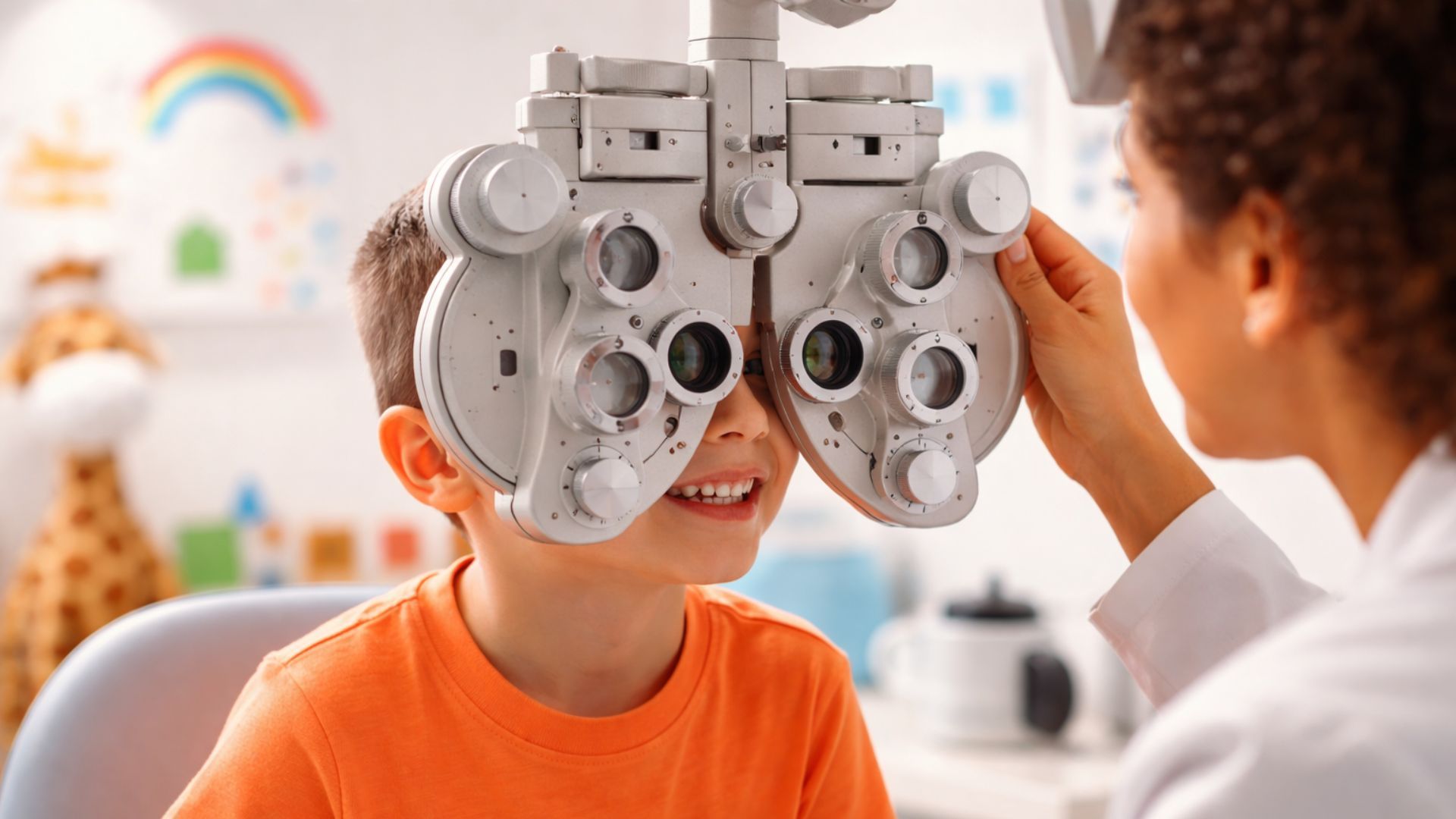
Glaucoma is a leading cause of irreversible vision loss, and early detection is essential for preserving sight. When the phrase “glaucoma doctor near me” appears in a search, most people are looking for a trusted professional who can diagnose, treat, and manage this condition promptly. Understanding what to expect during the first appointment helps reduce anxiety and ensures that the visit is as productive as possible. This guide walks through the typical steps of that initial consultation, from preparation to follow-up care, so patients can feel confident and informed.
Preparing for Your First Appointment
Before stepping into the clinic, a little preparation can make the experience smoother:
- Gather medical history: List current medications, past eye conditions, family history of glaucoma, and any systemic diseases such as diabetes or hypertension.
- Bring previous eye records: If you have been seen by another ophthalmologist, bring those test results.
- Write down questions: Common concerns include treatment options, lifestyle impacts, and prognosis.
- Arrange transportation: Some diagnostic tests may require dilated pupils, which can temporarily affect vision.
What Happens During the First Visit?
Comprehensive Eye Examination
The eye specialist will begin with a thorough examination to assess overall eye health and measure intraocular pressure (IOP). Key components include:
- Visual acuity test: Determines how clearly you see at various distances.
- Tonometry: Measures the pressure inside the eye, a critical indicator for glaucoma.
- Gonioscopy: Evaluates the drainage angle of the eye to differentiate between open-angle and angle-closure glaucoma.
- Ophthalmoscopy: Inspects the optic nerve for signs of damage.
Imaging and Diagnostic Tests
Modern ophthalmology relies on advanced imaging to detect subtle changes:
- Optical Coherence Tomography (OCT): Provides cross-sectional images of the retina and optic nerve.
- Visual field testing: Maps peripheral vision to identify early loss.
- Corneal pachymetry: Measures corneal thickness, which influences IOP readings.
Discussing Diagnosis and Treatment Options
After reviewing the test results, the doctor will explain the diagnosis in clear, jargon-free language. If glaucoma is confirmed, several treatment pathways may be discussed, ranging from medication to surgery. This is where many patients search for a glaucoma specialist near me who can tailor a plan to their specific needs.
Medication Management
First-line therapy typically involves prescription eye drops that lower IOP. Important points include:
- Correct administration technique.
- Potential side effects such as eye irritation or systemic effects.
- Adherence strategies, like setting reminders.
Surgical and Laser Options
When medications are insufficient, procedural interventions may be recommended. Options include:
- Laser trabeculoplasty: Improves fluid outflow without incisions.
- Minimally invasive glaucoma surgery (MIGS): Small devices implanted to enhance drainage.
- Traditional filtering surgery (trabeculectomy): Creates a new drainage pathway.
Patients often look for a glaucoma surgeon near me when considering these procedures, seeking a clinician with extensive surgical experience.
Setting Expectations for Follow-Up Care
Glaucoma is a chronic condition that requires lifelong monitoring. Follow-up appointments typically occur:
- Every 3-6 months during the first year, depending on disease severity.
- At regular intervals thereafter, adjusted based on IOP stability and visual field changes.
- Whenever new symptoms arise, such as vision loss or eye pain.
During each visit, the doctor will repeat key tests to track progression and adjust treatment as needed. Consistent follow-up is essential for preserving vision over the long term.
Choosing the Right Glaucoma Care Provider
Finding a qualified professional involves more than just proximity. Consider the following criteria:
- Board certification in ophthalmology and specific fellowship training in glaucoma.
- Experience with both medical and surgical management of glaucoma.
- Patient reviews that highlight clear communication and compassionate care.
- Access to state-of-the-art diagnostic equipment.
When searching online, many individuals type “glaucoma treatment near me” to locate clinics that offer comprehensive services, from diagnostics to advanced surgery.
Conclusion
The first visit to a glaucoma specialist sets the foundation for effective disease management. By preparing ahead, understanding the examination process, and knowing what treatment options may be presented, patients can actively participate in their care. Ongoing follow-up and a collaborative relationship with a trusted glaucoma doctor near me are the cornerstones of preserving visual health and maintaining quality of life.
0 Comments