

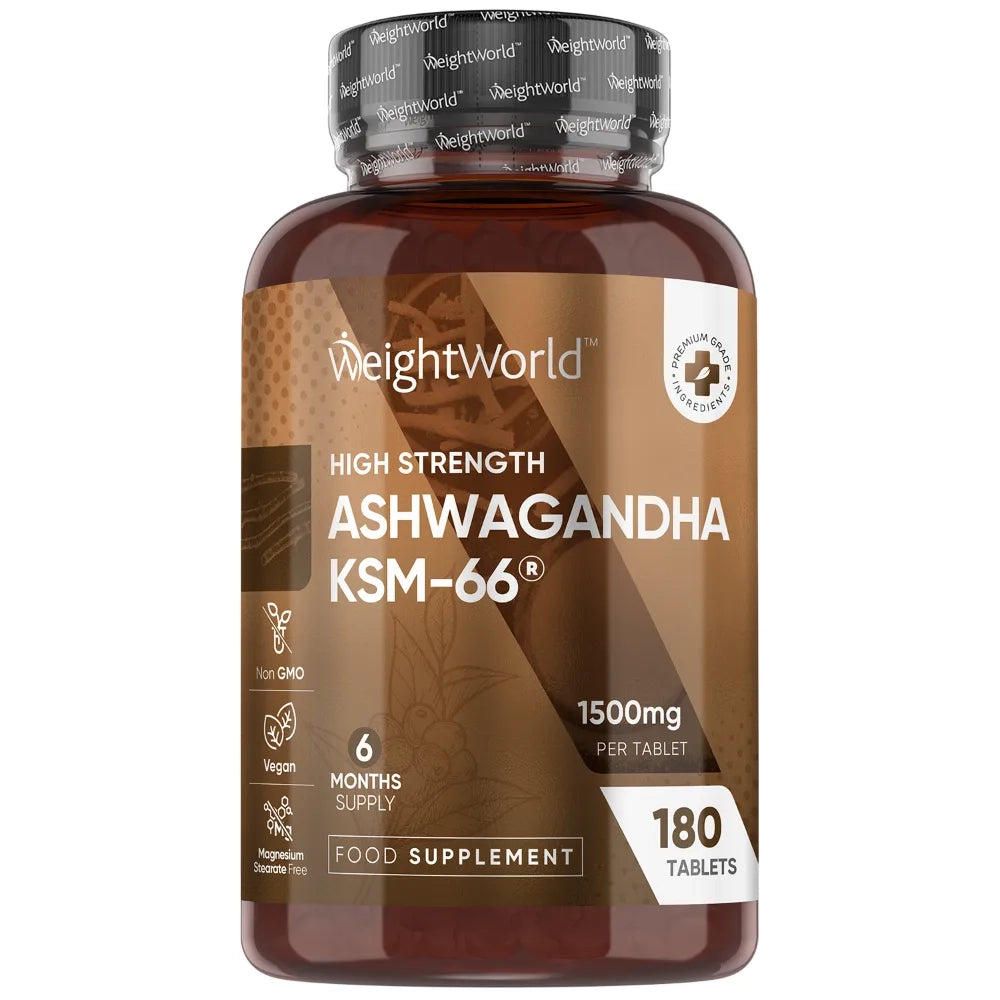
When it comes to staying energized and focused throughout the day, many of us turn to supplements or energy drinks. But what exactly is the difference between these two popular options? While both aim to provide a boost of energy, they work in distinct ways and have unique benefits and drawbacks. In this article, we’ll delve into the world of energy supplements and energy drinks, exploring their differences and helping you make an informed decision about which one is right for you.
What are Energy Supplements?
Energy supplements are dietary supplements that contain a blend of vitamins, minerals, and herbs designed to enhance physical and mental performance. These supplements can be taken in various forms, including tablets, capsules, or powders, and are often marketed as a natural way to boost energy levels. Some popular ingredients found in energy supplements include caffeine, guarana, and ginseng.
One of the key benefits of energy supplements is their ability to provide a sustained energy boost that can last for several hours. This is because they work by increasing the production of ATP (adenosine triphosphate), the energy currency of the body. Additionally, many energy supplements contain antioxidants and other nutrients that can help protect against oxidative stress and inflammation.
However, energy supplements can also have some drawbacks. For example, they may interact with certain medications or exacerbate underlying health conditions. Additionally, some energy supplements can be expensive and may not be covered by health insurance.
What are Energy Drinks?
Energy drinks, on the other hand, are beverages that contain a high amount of caffeine and other stimulants designed to provide a rapid energy boost. These drinks are often marketed as a quick fix for fatigue and can be found in many convenience stores and online retailers.
While energy drinks can provide a quick energy boost, they can also have some negative side effects. For example, they can lead to jitters, anxiety, and an increased heart rate. Additionally, energy drinks often contain high amounts of sugar and other unhealthy ingredients that can contribute to a range of health problems.
The Benefits of Energy Supplements vs. Energy Drinks
So, what are the benefits of energy supplements compared to energy drinks? For one, energy supplements are often a healthier and more sustainable option. They provide a sustained energy boost that can last for several hours, rather than a quick fix that wears off rapidly. Additionally, energy supplements are often free from added sugars and other unhealthy ingredients found in energy drinks.
Read more about this topic here to learn more about the benefits of energy supplements and how they can be incorporated into your daily routine.
Key Differences Between Energy Supplements and Energy Drinks
- Energy supplements provide a sustained energy boost, while energy drinks offer a rapid energy boost.
- Energy supplements are often healthier and more sustainable than energy drinks.
- Energy supplements can provide additional benefits, such as antioxidant and anti-inflammatory effects.
- Energy drinks often contain high amounts of sugar and other unhealthy ingredients.
Conclusion
In conclusion, while both energy supplements and energy drinks can provide a boost of energy, they work in distinct ways and have unique benefits and drawbacks. Energy supplements offer a sustained energy boost and are often a healthier and more sustainable option, while energy drinks provide a rapid energy boost but can have negative side effects. By understanding the differences between these two options, you can make an informed decision about which one is right for you.
Explore further insights here to learn more about the benefits and drawbacks of energy supplements and energy drinks.
Find additional information here to help you make an informed decision about which energy supplement or energy drink is right for you.
0 Comments