

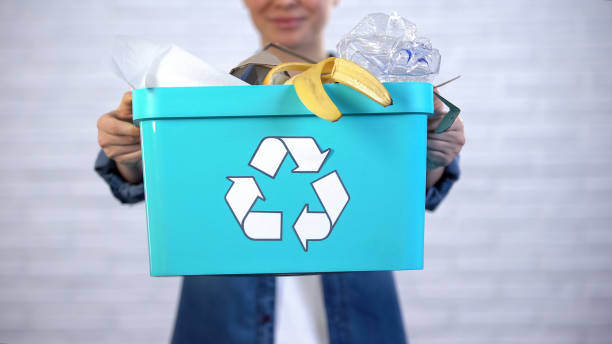
Managing organic waste is an increasingly important consideration in today’s environmentally-conscious world. With the growing awareness of the environmental impact of waste, effective organic waste management strategies are essential for reducing landfill contributions and promoting sustainable practices. Proper management not only benefits the environment but also offers economic advantages through resource recovery and waste reduction. This article explores effective strategies for organic waste management, offering practical insights and expert recommendations for optimizing waste processes.
Understanding Organic Waste
Organic waste primarily consists of food scraps, yard waste, and other biodegradable materials. These components naturally decompose, making them suitable for various sustainable management practices. Understanding the types of organic waste and their decomposition rates is crucial for implementing effective management strategies.
Composting: A Sustainable Solution
Benefits of Composting
Composting is a natural process that converts organic waste into nutrient-rich soil amendments. This method offers several benefits:
- Reduces landfill waste and greenhouse gas emissions.
- Enhances soil health and structure.
- Decreases the need for chemical fertilizers.
To effectively implement composting, consider factors such as the type of organic material, moisture levels, and aeration. For a detailed guide on starting a composting system, explore advanced guides and tips.
Vermicomposting: Harnessing the Power of Worms
Vermicomposting involves the use of worms to accelerate the breakdown of organic waste. This method is particularly effective for food scraps and small-scale waste management. Key advantages include:
- Efficient breakdown of organic materials.
- Production of high-quality compost known as worm castings.
- Suitability for indoor and urban environments.
To establish a vermicomposting setup, attention should be paid to the choice of worms, bedding materials, and maintaining optimal conditions. Find out more about this approach to enhance your organic waste management practices.
Anaerobic Digestion: Energy from Waste
Anaerobic digestion is a process that uses microorganisms to decompose organic waste in the absence of oxygen, producing biogas and digestate. This method is suitable for managing large volumes of organic waste and offers benefits such as:
- Generation of renewable energy in the form of biogas.
- Reduction of odor and pathogens in waste materials.
- Production of nutrient-rich digestate for agricultural use.
Anaerobic digestion requires specialized equipment and conditions, making it more appropriate for large-scale operations. Learn about our tailored solutions to determine if this method is suitable for specific waste management needs.
Implementing Efficient Collection Systems
Effective organic waste management also relies on efficient collection systems. Key considerations include:
- Segregation of organic waste at the source.
- Use of biodegradable bags and containers.
- Regular collection schedules to prevent odor and pest issues.
An organized collection system ensures that organic waste is processed promptly and efficiently. For expert strategies on implementing collection systems, discover expert strategies here.
Education and Community Involvement
Educating communities about organic waste management and encouraging participation can significantly enhance the success of these strategies. Initiatives may include:
- Workshops and educational programs on waste reduction and composting.
- Incentives for households and businesses that practice effective waste management.
- Partnerships with local organizations to promote sustainable practices.
Communities play a vital role in sustainable waste management, and fostering a culture of responsibility can lead to significant environmental benefits. Explore advanced guides and tips to engage and educate communities effectively.
In conclusion, implementing effective organic waste management strategies is essential for environmental sustainability and economic efficiency. Through methods such as composting, vermicomposting, and anaerobic digestion, along with efficient collection systems and community involvement, significant progress can be made in managing organic waste. By utilizing the right strategies and resources, it is possible to create a sustainable future that benefits both people and the planet.
0 Comments