

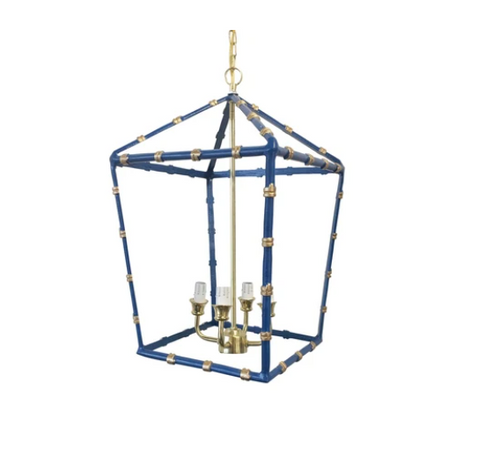
Lighting plays a pivotal role in the overall energy performance of a home. By selecting fixtures that maximize illumination while minimizing power consumption, homeowners can reduce utility bills, lower carbon footprints, and enhance indoor comfort. Modern lighting technologies, especially those integrated with smart controls, offer a blend of efficiency, adaptability, and aesthetic appeal. This article explores key considerations for implementing energy-efficient lighting solutions, outlines practical strategies, and highlights the benefits of adopting a holistic approach to residential illumination.
Understanding Energy-Efficient Lighting Technologies
Several lighting technologies dominate the market today, each with distinct characteristics that influence energy use and visual quality.
- LED (Light Emitting Diode): Offers the highest efficacy (lumens per watt), long lifespan, and instant start-up. LEDs also support dimming and color temperature adjustments.
- CFL (Compact Fluorescent Lamp): Provides good efficiency but contains a small amount of mercury and has a slower warm-up period.
- Halogen Incandescents: While brighter than traditional incandescents, they are less efficient than LEDs and CFLs.
- Smart Lighting Systems: Integrate LEDs with wireless controls, allowing scheduling, motion detection, and remote adjustments.
For a deeper dive into the technical specifications and comparative data, learn more in this detailed guide.
Key Design Principles for Energy-Saving Illumination
1. Prioritize Natural Light
Maximizing daylight reduces reliance on artificial lighting. Consider the following tactics:
- Strategically place windows and skylights to distribute light evenly.
- Use light-reflective interior finishes (e.g., light-colored walls, ceilings).
- Install interior glass partitions to channel daylight deeper into the home.
2. Optimize Fixture Placement
Proper positioning ensures that each fixture contributes effectively to overall illumination.
- Place ceiling lights above work areas to reduce the need for task lamps.
- Use recessed or track lighting to focus light where it’s needed most.
- Employ layered lighting (ambient, task, accent) to avoid over-lighting.
3. Implement Smart Controls
Automation and control systems can dramatically cut energy use.
- Dimmers: Reduce output when full brightness isn’t required.
- Occupancy Sensors: Turn lights off automatically in unoccupied rooms.
- Daylight Harvesting: Adjust artificial lighting based on ambient daylight levels.
Guidance on integrating these controls with existing wiring can be found by explore further insights here.
Steps to Retrofit an Existing Home
- Audit Current Lighting: Document fixture types, wattages, and usage patterns.
- Identify High-Impact Replacements: Prioritize frequently used fixtures (kitchens, living rooms, hallways).
- Select Compatible LED Replacements: Match form factor (A-shaped, BR, MR, etc.) and ensure dimmable versions where needed.
- Install Smart Controls: Add dimmers, motion sensors, or a central hub for scheduling.
- Evaluate Performance: Use a plug-in power meter or smart energy monitor to compare before-and-after consumption.
Benefits of Energy-Efficient Lighting
- Cost Savings: LEDs use up to 80% less electricity than incandescents, translating to lower monthly bills.
- Extended Fixture Life: LEDs can last 25,000-50,000 hours, reducing replacement frequency.
- Improved Indoor Comfort: Consistent, flicker-free light reduces eye strain.
- Environmental Impact: Lower electricity demand reduces greenhouse-gas emissions associated with power generation.
Choosing the Right Products for Specific Rooms
Kitchen
Task lighting is essential. Under-cabinet LED strips provide focused illumination for countertops, while a central ceiling fixture supplies ambient light.
Living Areas
Layered lighting works best. Combine dimmable recessed LEDs for general illumination with accent lamps for mood lighting.
Bedrooms
Soft, warm-tone LEDs (2700-3000 K) create a relaxing environment. Incorporate bedside reading lamps with adjustable brightness.
Bathrooms
Use moisture-rated fixtures and ensure color rendering index (CRI) of 80+ for accurate skin tone representation.
Maintenance and Longevity Tips
- Clean fixtures regularly to maintain light output.
- Avoid frequent on/off cycling; use dimmers to lower intensity instead of turning lights off completely.
- Check for firmware updates on smart lighting hubs to improve performance and security.
Future Trends in Residential Lighting
Emerging technologies promise even greater efficiency and adaptability:
- Human-Centric Lighting: Systems that adjust color temperature throughout the day to support circadian rhythms.
- Integrated Solar-Powered Fixtures: Small photovoltaic panels combined with LEDs for off-grid illumination.
- Advanced IoT Integration: Seamless communication between lighting, HVAC, and security systems for holistic home automation.
For additional context on how these innovations align with sustainable home design, find additional information here.
Conclusion
Implementing energy-efficient lighting solutions is a practical, cost-effective strategy for modern homes. By selecting appropriate technologies, optimizing fixture placement, and leveraging smart controls, homeowners can achieve significant energy reductions while enhancing comfort and aesthetic appeal. Continuous advancements in lighting technology ensure that future upgrades will become even more accessible, making sustainable illumination a cornerstone of responsible residential design.
0 Comments