

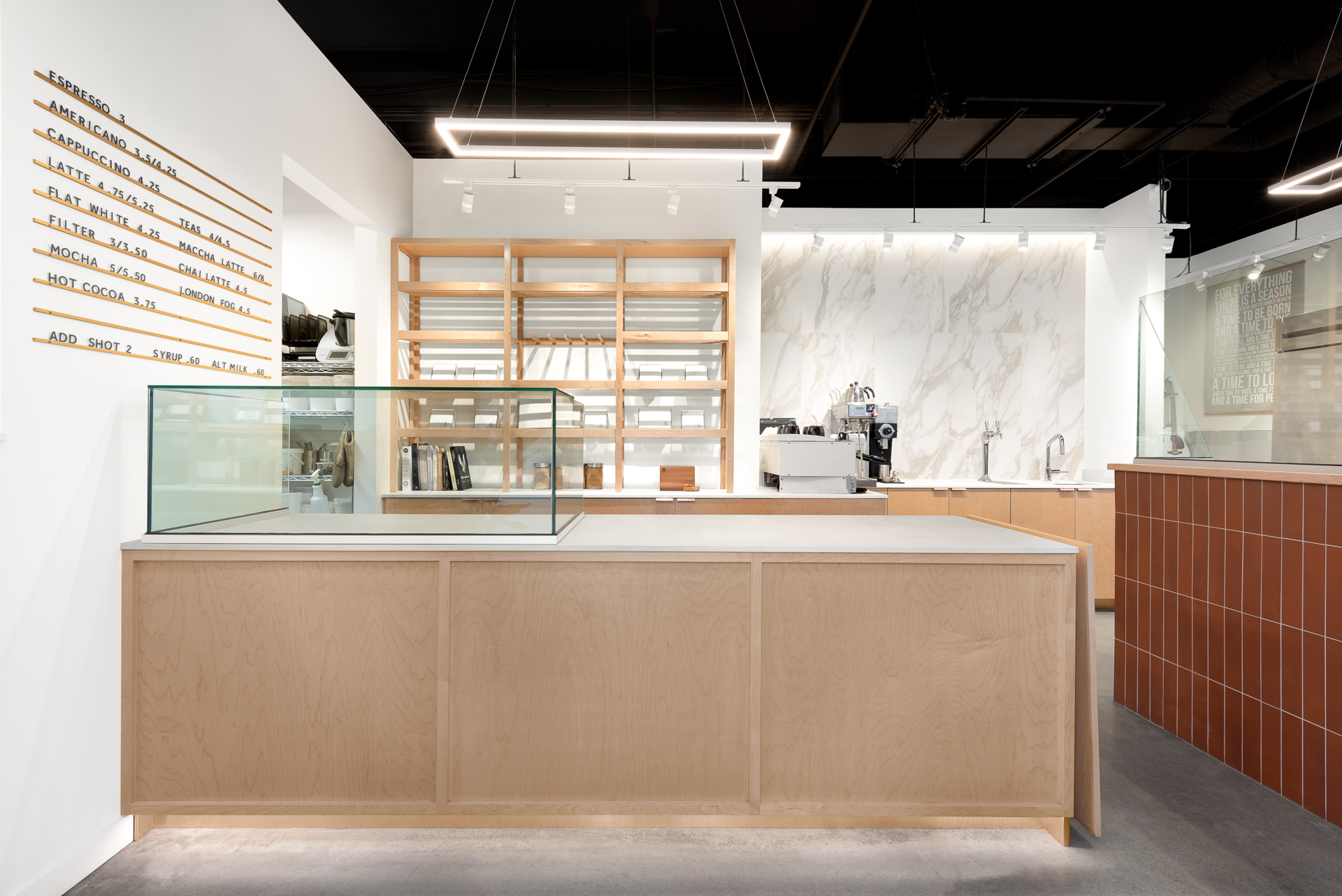
In today’s competitive marketplace, the physical environment of a business can be as influential as the products or services it offers. A well-executed commercial renovation not only revitalizes a space but also creates conditions that improve employee productivity, attract higher-quality clientele, and streamline operational workflows. When renovation decisions are guided by data-driven insights and industry-proven practices, the result is a tangible boost in overall business performance.
Why Commercial Renovation Matters for Business Growth
Renovating a commercial property is more than a cosmetic upgrade; it is a strategic investment that can yield measurable returns. Key benefits include:
- Enhanced Brand Perception: Modern, cohesive design reinforces brand identity and signals professionalism to customers.
- Improved Employee Morale: Ergonomic layouts, natural lighting, and comfortable common areas reduce fatigue and increase job satisfaction.
- Operational Efficiency: Reconfigured floor plans can optimize traffic flow, reduce bottlenecks, and lower utility costs.
- Higher Property Value: Updated infrastructure and energy-efficient systems increase the resale or lease value of the space.
Key Elements of a High-Impact Commercial Renovation
1. Strategic Space Planning
Effective space planning starts with a thorough analysis of current usage patterns and future growth projections. By mapping out employee workstations, customer interaction zones, and storage needs, designers can create a layout that maximizes functionality while preserving aesthetic appeal. For deeper insights into planning techniques, Discover expert strategies here.
2. Sustainable Materials and Systems
Integrating eco-friendly materials and energy-saving technologies reduces operating costs and aligns the business with growing environmental expectations. Consider the following sustainable upgrades:
- Low-VOC paints and finishes for healthier indoor air quality.
- LED lighting paired with smart controls to lower electricity consumption.
- High-efficiency HVAC systems that maintain comfort while minimizing energy use.
For a comprehensive guide to sustainable renovation, Explore advanced guides and tips.
3. Technology Integration
Modern workplaces rely on seamless technology to support collaboration and customer engagement. Incorporating the following tech elements can future-proof a commercial space:
- Structured cabling and Wi-Fi 6 for reliable connectivity.
- Digital signage that delivers dynamic branding messages.
- Smart conference rooms equipped with video-conferencing tools.
Learn more about how technology can be woven into renovation projects by Learn about our tailored solutions.
Steps to a Successful Renovation Project
Executing a renovation that truly drives performance requires a disciplined approach. The following phased process helps keep projects on schedule and within budget:
- Assessment & Goal Setting: Identify pain points, define measurable objectives, and align the renovation scope with business strategy.
- Design Development: Translate goals into detailed drawings, material selections, and technology specifications.
- Permitting & Compliance: Secure necessary permits and ensure all work meets local building codes and accessibility standards.
- Construction Management: Coordinate contractors, monitor progress, and mitigate disruptions to daily operations.
- Post-Construction Review: Conduct a walkthrough, gather stakeholder feedback, and measure performance against the original objectives.
Measuring the Impact of Renovation on Business Performance
Quantifying the return on renovation investment is essential for demonstrating value to stakeholders. Effective metrics include:
- Employee Productivity: Track changes in output, absenteeism, and satisfaction surveys before and after the upgrade.
- Customer Conversion Rates: Compare foot traffic and sales data to assess how the refreshed environment influences buying behavior.
- Operational Costs: Analyze utility bills and maintenance expenses to capture savings from energy-efficient upgrades.
- Space Utilization: Use occupancy sensors to evaluate how effectively the new layout supports core activities.
For a deeper dive into performance analytics, Find out more about this approach.
Common Pitfalls and How to Avoid Them
Even well-intentioned projects can encounter setbacks. Awareness of typical challenges helps mitigate risk:
- Underestimating Downtime: Plan phased construction or schedule work during off-peak hours to minimize disruption.
- Lack of Stakeholder Involvement: Engage employees, managers, and customers early to ensure the design meets real-world needs.
- Ignoring Future Growth: Design flexible spaces that can adapt to changing business models.
- Budget Overruns: Maintain a contingency fund and conduct regular cost reviews throughout the project.
Conclusion
A thoughtfully executed commercial renovation serves as a catalyst for enhanced performance across every facet of a business. By focusing on strategic space planning, sustainability, technology integration, and rigorous measurement, organizations can transform their physical assets into powerful drivers of productivity, brand strength, and profitability. Leveraging proven methodologies and partnering with experienced professionals ensures that the renovation not only meets aesthetic goals but also delivers quantifiable business outcomes.
0 Comments