

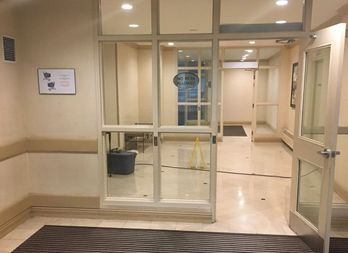
Modern businesses increasingly rely on seamless access solutions to improve customer experience, enhance security, and streamline operations. Automatic door systems provide a blend of convenience, safety, and aesthetic appeal that traditional swinging doors simply cannot match. This guide walks through the essential steps, considerations, and best practices for installing an automatic door that meets the demands of contemporary commercial environments.
Understanding the Types of Automatic Doors
Choosing the right door type is the foundation of a successful installation. The most common options include:
- Sliding doors – Ideal for high-traffic entrances and limited interior space.
- Swing doors – Suitable for classic storefronts and areas where a traditional look is desired.
- Revolving doors – Offer superior energy efficiency and climate control for large lobbies.
- Fold-over doors – Perfect for narrow openings and where a compact footprint is required.
Each style has distinct mechanical requirements, power consumption rates, and maintenance considerations. Discover expert strategies here to match door type with business needs.
Site Assessment and Planning
Structural Evaluation
Before any hardware is ordered, conduct a thorough structural assessment:
- Verify opening dimensions and clearances for the door frame.
- Check wall load-bearing capacity to support motorized components.
- Assess floor levelness to ensure smooth operation of sliding or revolving systems.
Electrical and Safety Requirements
Automatic doors rely on reliable power sources and safety sensors. Key steps include:
- Confirm availability of a dedicated 120 V or 240 V circuit, depending on motor size.
- Install emergency power backup or battery systems for critical access points.
- Integrate photo-electric sensors, pressure mats, and obstruction detection to comply with local building codes.
For a detailed checklist on compliance and wiring, Learn about our tailored solutions.
Choosing the Right Automation Components
Quality components extend the lifespan of the door and reduce downtime. Focus on:
- Motors – Select a motor with appropriate torque and speed ratings.
- Control panels – Opt for programmable logic that supports remote monitoring.
- Sensors – Use dual-technology sensors for redundancy and safety.
- Finishing hardware – Match hinges, rollers, and guides to the door’s material (glass, aluminum, wood).
Professional suppliers often provide bundled kits that simplify installation. Explore advanced guides and tips for selecting the best hardware combinations.
Installation Process Overview
Step 1: Prepare the Opening
Remove existing doors and frames, then reinforce the opening as needed. Install the new frame according to manufacturer specifications, ensuring it is perfectly plumb and level.
Step 2: Mount Mechanical Components
Secure the motor, drive system, and any rollers or hinges. Align the moving parts to eliminate friction and ensure smooth travel. Tighten all fasteners to the torque values recommended by the equipment supplier.
Step 3: Connect Electrical Systems
Run conduit from the main electrical panel to the control unit. Wire the motor, sensors, and emergency release mechanisms, following the wiring diagram provided. Perform a continuity test before powering the system.
Step 4: Program the Control Unit
Set opening speed, delay times, and sensor sensitivity. Configure access control integration if the door will work with card readers or biometric scanners.
Step 5: Test and Commission
Conduct a full cycle test:
- Open and close the door multiple times to verify smooth operation.
- Trigger each safety sensor to confirm proper obstruction response.
- Check emergency release functionality.
- Document all settings for future reference.
Any irregularities should be addressed before the door is made available to the public.
Maintenance Best Practices
Regular upkeep preserves performance and safety:
- Inspect and lubricate moving parts quarterly.
- Clean sensor lenses and check alignment monthly.
- Test emergency release mechanisms semi-annually.
- Schedule professional servicing at least once a year.
Adhering to a preventive maintenance schedule can reduce unexpected downtime and extend the system’s lifespan. Find out more about this approach to keep doors operating at peak efficiency.
Conclusion
Implementing an automatic door system involves careful planning, selection of appropriate components, precise installation, and ongoing maintenance. By following the steps outlined in this guide, modern businesses can create welcoming, secure, and energy-efficient entrances that enhance both the customer experience and operational reliability. For additional resources, technical specifications, and professional assistance, refer to trusted industry partners and detailed online guides.
0 Comments