

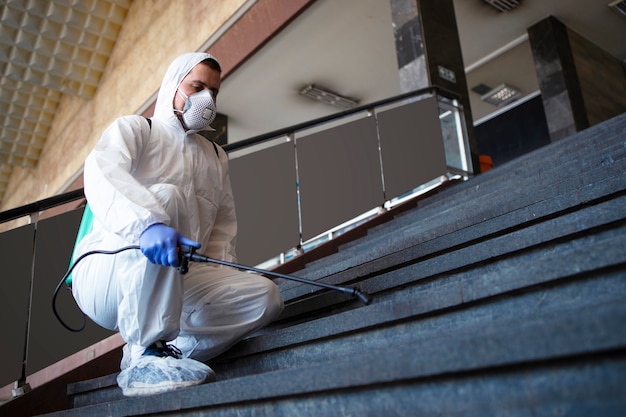
Attic mold is more than an unsightly nuisance; it poses serious health risks and can compromise the structural integrity of a home. Moisture-laden insulation, poor ventilation, and temperature fluctuations create the perfect environment for mold spores to thrive unnoticed. Early detection and professional removal are essential to protect indoor air quality, safeguard family health, and prevent costly repairs. This guide outlines why attic mold removal matters, what to expect from a qualified service, and how homeowners can maintain a mold-free environment.
Why Attic Mold Is a Hidden Threat
Mold colonies in the attic often go undetected because they are out of sight. However, spores travel freely through HVAC systems, settling in living spaces where they can trigger allergic reactions, respiratory issues, and aggravate asthma. In addition, prolonged moisture exposure can weaken wooden joists, leading to sagging ceilings and compromised roof structures.
Key health concerns
- Allergic reactions: sneezing, itchy eyes, and skin irritation.
- Respiratory problems: coughing, wheezing, and shortness of breath.
- Mycotoxin exposure: potential long-term neurological effects.
- Exacerbated asthma symptoms, especially in children and the elderly.
Structural impacts
- Degradation of insulation efficiency, increasing energy costs.
- Rotting of wooden framing, leading to costly repairs.
- Potential for water damage to drywall, flooring, and roofing materials.
Signs That Your Attic Needs Professional Attention
Before calling a specialist, homeowners can look for these common indicators of mold activity:
- Persistent musty odor, especially after rain.
- Visible discoloration or black spots on insulation or beams.
- Increased humidity or condensation on attic surfaces.
- Unexplained allergy symptoms that improve when away from home.
What to Expect From a Qualified Attic Mold Removal Service
Professional mold remediation follows a systematic process designed to eliminate the infestation safely and prevent recurrence. The typical workflow includes:
1. Comprehensive Inspection
A certified technician conducts a visual assessment, moisture mapping, and air sampling to identify the extent of contamination. This step ensures that hidden mold pockets are not missed.
2. Containment
To protect the rest of the house, the work area is sealed with plastic barriers and negative air pressure is applied, preventing spores from spreading during removal.
3. Removal and Cleaning
All affected insulation, drywall, and porous materials are carefully removed. Non-porous surfaces are cleaned with EPA-approved antimicrobial solutions. The process follows industry standards set by the IICRC (Institute of Inspection, Cleaning and Restoration Certification).
4. Drying and Dehumidification
Industrial-grade dehumidifiers and air movers are used to bring moisture levels below 15% relative humidity, a threshold that discourages mold regrowth.
5. Restoration
After the area is cleared, new insulation and any necessary structural repairs are installed, restoring the attic to its original condition.
For a deeper dive into the methodology, Discover expert strategies here.
Choosing the Right Service Provider
Not all mold remediation companies are created equal. When evaluating potential providers, consider the following criteria:
- Certification: Look for IICRC or EPA-registered technicians.
- Experience: Companies with a track record in attic-specific mold removal understand the unique challenges of insulation and ventilation.
- Transparent Pricing: Detailed estimates should outline inspection, containment, removal, and restoration costs.
- Customer Reviews: Positive feedback regarding thoroughness and communication is a strong indicator of reliability.
To compare tailored solutions, Learn about our tailored solutions.
Preventative Measures for Long-Term Protection
Even after successful remediation, ongoing vigilance is essential. Implement these best practices to keep the attic dry and mold-free:
- Improve Ventilation: Install ridge vents, soffit vents, or attic fans to promote airflow.
- Control Moisture Sources: Seal roof leaks, ensure proper drainage, and use vapor barriers where appropriate.
- Regular Inspections: Schedule annual checks, especially after heavy rain or snow melt.
- Maintain Insulation Integrity: Replace damaged or water-logged insulation promptly.
- Monitor Humidity: Use hygrometers to keep attic humidity below 60%.
Cost Considerations and Return on Investment
The price of attic mold removal varies based on square footage, severity of contamination, and required restoration work. Typical ranges are:
- Minor infestations: $1,000 – $2,500
- Moderate cases with insulation replacement: $2,500 – $5,000
- Severe damage involving structural repairs: $5,000 – $10,000+
While these figures may seem substantial, the investment protects health, preserves property value, and avoids future expenses associated with water damage and mold recurrence.
Conclusion: Take Action Today
Attic mold is a silent adversary that can undermine both health and home integrity. By recognizing early signs, engaging a qualified remediation service, and adopting preventative habits, homeowners can ensure a safe, healthy living environment. Prompt professional removal not only eliminates existing spores but also establishes a foundation for long-term mold resistance.
For comprehensive guidance and step-by-step instructions, Explore advanced guides and tips.
0 Comments