

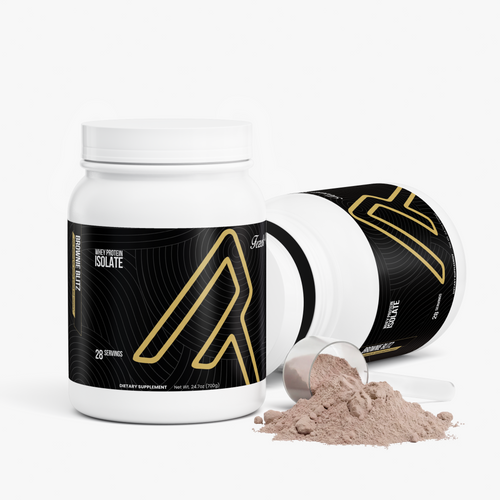
Sports nutrition supplements have become increasingly popular among athletes and fitness enthusiasts, as they are believed to enhance recovery and performance. However, with the vast array of products available, it can be challenging to determine which supplements are effective and safe to use. This article aims to provide an overview of the role of sports nutrition supplements in recovery and performance, as well as highlight some key considerations for consumers.
Understanding the Importance of Recovery
Recovery is a crucial aspect of athletic training, as it allows the body to repair and adapt to the demands of exercise. Adequate recovery can help to prevent injuries, improve performance, and reduce the risk of overtraining. Sports nutrition supplements can play a significant role in supporting recovery, particularly in the areas of muscle damage and inflammation.
When engaging in intense exercise, muscle damage and inflammation can occur, leading to delayed onset muscle soreness (DOMS). This can be mitigated through the use of anti-inflammatory supplements, such as omega-3 fatty acids and antioxidants. Additionally, supplements containing branched-chain amino acids (BCAAs) can help to reduce muscle damage and promote recovery.
The Role of Supplements in Performance
In addition to recovery, sports nutrition supplements can also play a role in enhancing performance. Certain supplements, such as creatine and beta-alanine, have been shown to improve muscle power and endurance. Creatine, in particular, has been extensively studied and is widely recognized as a safe and effective supplement for improving muscle performance.
When selecting a supplement to enhance performance, it is essential to consider the specific needs of the individual. For example, endurance athletes may benefit from supplements containing carbohydrates and electrolytes, while strength athletes may prefer supplements containing protein and creatine.
Key Considerations for Consumers
When choosing sports nutrition supplements, there are several key considerations to keep in mind. Firstly, it is essential to consult with a healthcare professional or registered dietitian to determine the most suitable supplements for individual needs. Additionally, consumers should be aware of the potential risks associated with supplement use, including interactions with medications and adverse reactions.
It is also crucial to carefully evaluate the ingredients and quality of the supplement. Look for products that are manufactured by reputable companies and adhere to good manufacturing practices (GMPs). Furthermore, be cautious of products that make exaggerated claims or promise rapid results.
Conclusion
In conclusion, sports nutrition supplements can play a significant role in both recovery and performance. However, it is essential to approach supplement use with caution and carefully consider individual needs. By understanding the importance of recovery and the role of supplements in performance, athletes and fitness enthusiasts can make informed decisions about their supplement choices.
For more information on the benefits and risks of sports nutrition supplements, see the full details here. Additionally, athletes can explore further insights on the topic by read more about this topic. By staying informed and making wise choices, athletes can optimize their recovery and performance.
- Always consult with a healthcare professional or registered dietitian before selecting a supplement.
- Evaluate the ingredients and quality of the supplement carefully.
- Be cautious of products that make exaggerated claims or promise rapid results.
- Explore further insights on the topic by learn more in this detailed guide.
By following these guidelines and staying informed, athletes can make the most of sports nutrition supplements and optimize their recovery and performance.
0 Comments