

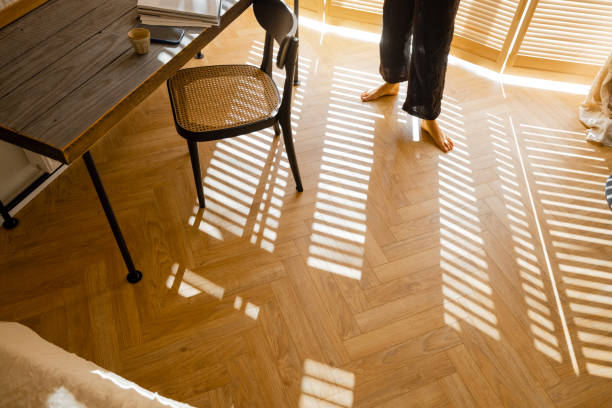
Timber flooring remains a timeless choice for homeowners and designers who value durability, warmth, and aesthetic versatility. Selecting the right style, however, involves more than simply picking a shade of wood. It requires an understanding of material grades, installation methods, and how the floor will interact with the surrounding environment. This guide walks you through the essential considerations, helping you make an informed decision that enhances both the look and longevity of your space.
Understanding Timber Grades and Species
Not all timber is created equal. The grade and species of wood dictate its appearance, strength, and suitability for different rooms.
- Clear Grade: Free of knots and blemishes, ideal for high-visibility areas.
- Select Grade: Minimal imperfections, offers a balance between cost and aesthetics.
- Common Grade: Visible knots and color variations, perfect for rustic or country-style interiors.
Popular species include:
- Oak – robust, with a prominent grain.
- Maple – light-colored and smooth, great for modern designs.
- Walnut – deep, rich tones that add luxury.
- Spotted Gum – an Australian native known for its striking grain patterns.
Choosing the Right Finish
The finish not only protects the floor but also influences its tactile feel and visual depth.
Surface Finishes
- Polyurethane: Highly durable, suitable for high-traffic zones.
- Oil-Based Finishes: Enhance natural grain, easier to repair.
- Water-Based Finishes: Low odor, quick drying, and environmentally friendly.
Hand-Scraped & Distressed Options
These finishes add character and can hide minor wear, making them a practical choice for families with children or pets.
Installation Methods and Their Impact
How the timber is installed affects both performance and aesthetics.
- Floating Floor: Planks are attached to each other, not the sub-floor; ideal for DIY projects.
- Nail-Down: Traditional method offering solid contact, best for solid hardwood.
- Glue-Down: Provides a stable surface, works well with engineered timber.
Each method has specific moisture and sub-floor requirements. Consulting detailed guidelines can prevent future issues such as cupping or gaps.
Matching Style to Interior Design
Timber flooring can complement a wide range of décor, but aligning the floor’s style with the overall design theme creates cohesion.
- Modern Minimalist: Light-colored maple or bamboo with a matte finish.
- Industrial Loft: Wide-plank reclaimed oak, distressed finish.
- Traditional Elegance: Dark walnut with a high-gloss polyurethane.
- Coastal Retreat: Soft-hued spalted timber, hand-scraped for a relaxed vibe.
For tailored recommendations that align with specific design goals, Discover expert strategies here.
Maintenance and Longevity
Proper care extends the life of timber floors and keeps them looking fresh.
- Regular sweeping or vacuuming to remove grit.
- Use of pH-neutral cleaners designed for wood.
- Re-application of finish every 3-5 years, depending on traffic.
- Immediate cleanup of spills to prevent staining.
Understanding the maintenance schedule for your chosen timber type can save time and money in the long run.
Environmental Considerations
Sustainable sourcing is increasingly important. Look for certifications such as FSC or PEFC, which ensure responsible forest management.
Engineered timber, which combines a thin veneer of hardwood with a stable core, often uses less virgin wood while delivering comparable performance. To explore eco-friendly options, Learn about our tailored solutions.
Budgeting and Cost Factors
Several variables influence the final price of a timber floor:
- Species and grade of wood.
- Finish type and level of customization.
- Installation method and labor costs.
- Additional preparations such as sub-floor leveling.
Setting a realistic budget early helps avoid surprises. Detailed cost breakdowns are often available from reputable suppliers.
Final Checklist Before Purchase
- Identify the primary use of the room (high traffic vs. low traffic).
- Choose a wood species and grade that match the desired aesthetic.
- Select an appropriate finish based on durability needs.
- Decide on an installation method compatible with your sub-floor.
- Confirm sustainability certifications.
- Request a sample board to view color and texture in your lighting.
- Verify warranty terms and maintenance recommendations.
By following this structured approach, homeowners can confidently select a timber flooring style that enhances both the visual appeal and functional performance of their spaces.
For a deeper dive into advanced flooring techniques and design integration, Explore advanced guides and tips.
0 Comments