

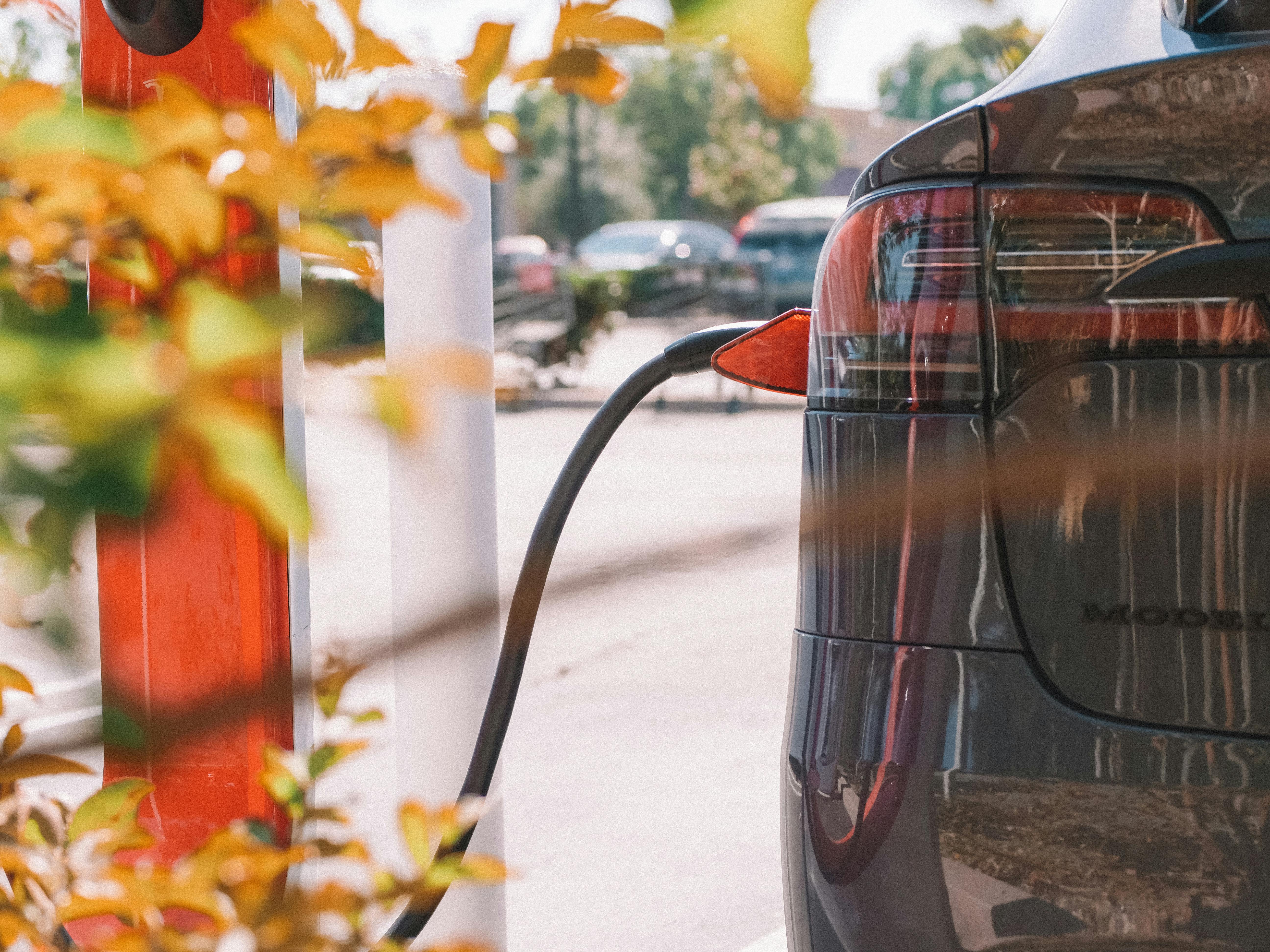
Finding a reliable electric vehicle (EV) charger near your location can feel like searching for a needle in a haystack, especially as the EV market expands and new charging stations appear daily. Understanding how to locate, evaluate, and use these chargers efficiently saves time, reduces range anxiety, and maximizes the benefits of electric mobility. This guide walks you through the most effective methods, tools, and best practices for pinpointing the perfect charging spot wherever you are.
Why Knowing Your Local Charger Network Matters
Having a clear picture of nearby charging infrastructure offers several tangible advantages:
- Reduced range anxiety: Knowing where you can recharge eliminates the fear of getting stranded.
- Optimized trip planning: Integrate charging stops into long journeys for smoother travel.
- Cost efficiency: Identify lower-priced stations or those offering free charging.
- Time management: Choose fast-charging locations that align with your schedule.
Tools and Platforms for Locating Chargers
Several digital resources aggregate real-time data on EV charging stations. The most reliable platforms combine map interfaces, filter options, and user reviews.
Mapping Services and Mobile Apps
- Dedicated EV apps: Applications such as PlugShare, ChargePoint, and Electrify America provide searchable maps, filter by connector type, and display live availability.
- General navigation tools: Google Maps and Apple Maps now include EV charger layers, allowing quick discovery while planning routes.
- Integrated vehicle systems: Many EVs feature built-in navigation that highlights compatible stations along your drive.
For a deeper dive into selecting the right platform, Discover expert strategies here.
Online Directories and Community Forums
Websites that specialize in EV infrastructure often publish curated lists, regional guides, and community-generated tips. These resources can reveal hidden gems such as municipal chargers in parking garages or workplace stations not listed on mainstream apps.
Key Factors to Evaluate When Choosing a Charger
Not every charger is created equal. Consider the following criteria to ensure the station meets your needs:
- Connector type: Verify compatibility (e.g., CCS, CHAdeMO, Tesla Supercharger).
- Charging speed: Level 2 (3-7 kW), DC fast (50-350 kW), or ultra-fast options.
- Availability: Real-time occupancy data reduces wait times.
- Pricing structure: Pay-per-kWh, pay-per-minute, or subscription models.
- Location safety: Well-lit, secure areas are preferable for night charging.
- Network access: Some stations require specific RFID cards or mobile app accounts.
To explore advanced considerations and industry-specific guidance, Explore advanced guides and tips.
Step-by-Step Process for Finding Nearby Chargers
- Open your preferred mapping app. Enter “EV charger” or “electric vehicle charging station” in the search bar.
- Apply filters. Narrow results by connector type, charging speed, and cost.
- Check real-time status. Look for indicators such as “available,” “in use,” or “out of service.”
- Read reviews. User feedback often highlights reliability, payment issues, or hidden fees.
- Plan your route. Add the selected station as a waypoint to ensure seamless navigation.
- Confirm network access. If the charger belongs to a specific network, ensure you have the necessary app or RFID card ready.
Utilizing Public and Private Charging Networks
Public networks are typically open to all drivers, while private networks serve specific groups such as employees or members of a particular club. Understanding the distinction helps you avoid unexpected access fees.
Public Networks
- Often free or pay-as-you-go.
- Accessible via multiple apps and payment methods.
- Located in shopping centers, highways, and municipal parking lots.
Private Networks
- Require membership or employer credentials.
- May offer discounted rates for frequent users.
- Common in corporate campuses, universities, and residential complexes.
For a comprehensive overview of how private and public networks differ and how to leverage them, Find out more about this approach.
Tips for Maintaining Efficient Charging Habits
Beyond locating chargers, adopting smart charging practices extends battery life and reduces overall costs:
- Charge during off-peak hours: Many utilities offer lower rates at night.
- Maintain a moderate state of charge: Keeping the battery between 20 % and 80 % reduces wear.
- Use scheduled charging: Set timers via your vehicle or app to start charging when rates are lowest.
- Avoid frequent fast charging: While convenient, high-power sessions can accelerate degradation if overused.
Future Trends in EV Charging Infrastructure
As electric mobility matures, several developments will shape how drivers locate and use chargers:
- Dynamic routing: Navigation systems will automatically reroute based on charger availability and traffic conditions.
- Vehicle-to-grid (V2G) integration: Cars may feed energy back to the grid, influencing where and when you charge.
- Standardized data sharing: Industry initiatives aim to unify real-time status across all networks, simplifying the search process.
Conclusion
Finding electric vehicle chargers near your location is no longer a guessing game. By leveraging dedicated apps, real-time data, and a clear set of evaluation criteria, drivers can confidently plan trips, reduce anxiety, and optimize costs. Staying informed about emerging technologies and maintaining disciplined charging habits will further enhance the electric driving experience. For ongoing updates and deeper insights into EV charging strategies, continue exploring trusted resources that specialize in electric mobility.
0 Comments