

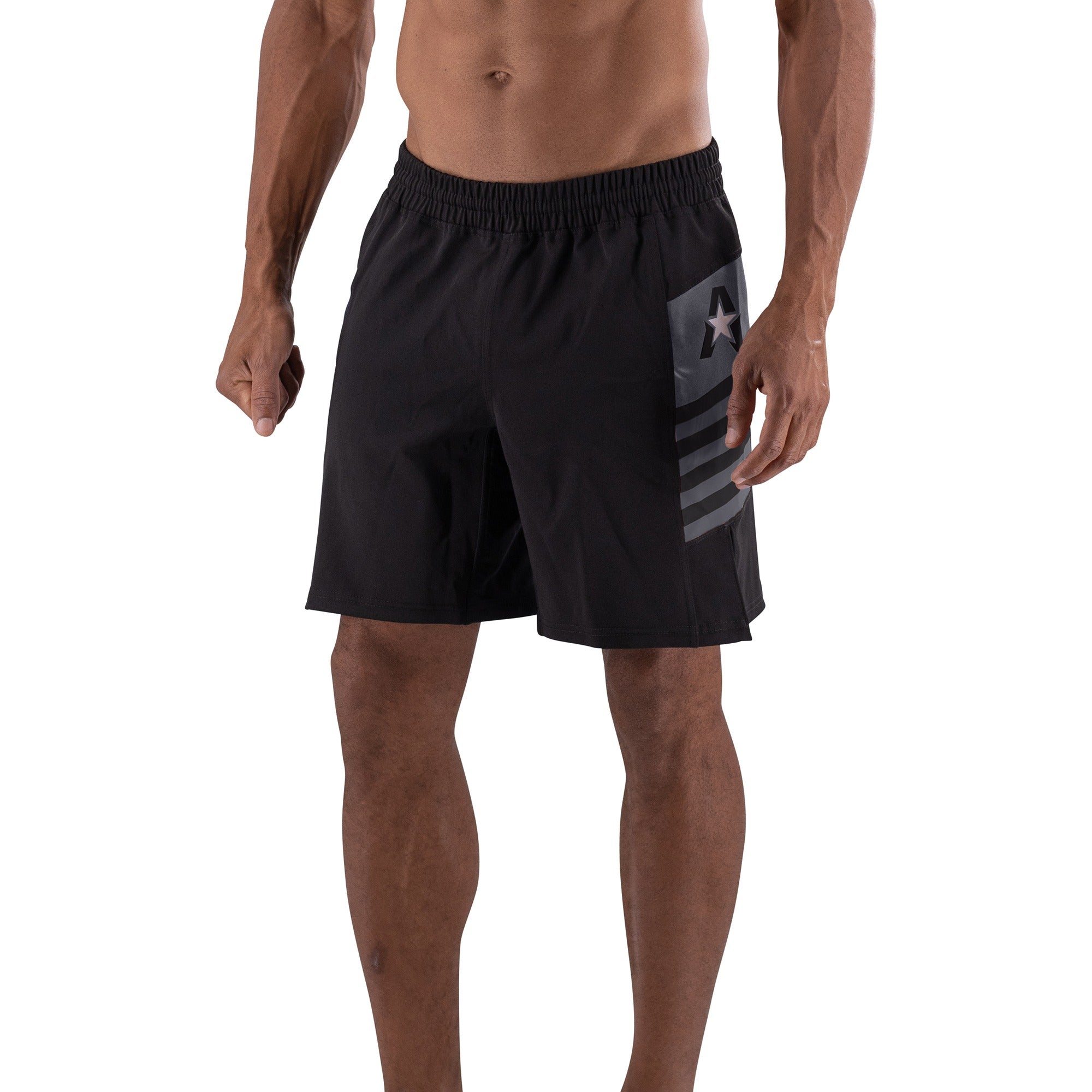
Choosing the right athletic apparel is a pivotal factor in performance, comfort, and durability for men who train hard, especially in demanding disciplines like CrossFit. This guide breaks down the essential clothing categories, fabric technologies, and styling tips that help athletes stay focused on their goals rather than on wardrobe malfunctions. Whether training in a box, hitting the gym, or running outdoors, the right gear can enhance mobility, regulate temperature, and reduce the risk of irritation.
Core Components of Men’s Athletic Wardrobe
Performance Tops
- Moisture-wicking fabrics: Look for polyester blends or engineered yarns that pull sweat away from the skin, keeping the body dry during high-intensity intervals.
- Four-way stretch: Enables unrestricted movement in every direction, essential for overhead lifts, burpees, and gymnastics rings.
- Flatlock seams: Reduce chafing on the shoulders and underarms, a common issue during prolonged workouts.
For a selection of tops that meet these criteria, Explore advanced guides and tips on fabric technology and fit.
Bottoms: Shorts, Tights, and Pants
- Compression tights: Provide muscle support, improve circulation, and help mitigate delayed onset muscle soreness (DOMS).
- Durable shorts: Reinforced stitching and a gusseted crotch prevent tearing during deep squats and lunges.
- Hybrid joggers: Offer the flexibility of a short with the coverage of a pant, ideal for cooler morning sessions.
To see examples of well-engineered bottoms, Find out more about this approach and how it translates to everyday training.
Footwear Essentials
- CrossFit shoes: Prioritize a stable heel, reinforced toe box, and a grippy outsole for rope climbs and box jumps.
- Training socks: Look for seamless construction and arch support to prevent blisters during rapid footwork.
Fabric Technologies That Matter
Temperature Regulation
Materials such as merino wool blends and proprietary cooling polymers actively manage body heat. They retain warmth when needed but release excess heat during intense cardio bursts, preventing overheating.
Odor Control
Antimicrobial treatments embedded in the fibers inhibit bacterial growth, keeping garments fresh longer. This is especially valuable for athletes who train multiple times per day.
Fit and Sizing Guidelines
- Measure chest, waist, and inseam before purchasing; compare against the brand’s size chart.
- Choose a slightly tighter fit for compression pieces; looser silhouettes work best for outer layers.
- Consider the intended activity: a tighter top for weightlifting, a looser cut for functional fitness circuits.
Layering Strategies for Varied Environments
Effective layering balances protection from the elements with freedom of movement. A typical stack might include:
- Base layer: Light, moisture-wicking shirt or tights.
- Mid layer: Insulating hoodie or fleece for cooler mornings.
- Outer shell: Wind- or rain-proof jacket with breathable panels for outdoor sessions.
When selecting each piece, Discover expert strategies here to ensure the fabrics work together without causing overheating.
Maintenance Tips to Extend Garment Life
- Wash in cold water on a gentle cycle; avoid fabric softeners that can clog moisture-wicking pores.
- Air-dry whenever possible; high heat can degrade elastane and diminish stretch.
- Rotate multiple sets of the same item to reduce wear frequency.
Conclusion
Investing in high-quality athletic clothing tailored to the demands of CrossFit and other intense training modalities pays dividends in comfort, performance, and longevity. By focusing on moisture management, stretch, durability, and proper fit, athletes can eliminate distractions and concentrate on achieving their personal best. For a curated collection that embodies these principles, Learn about our tailored solutions and experience the difference that thoughtful design makes in every rep.
0 Comments