

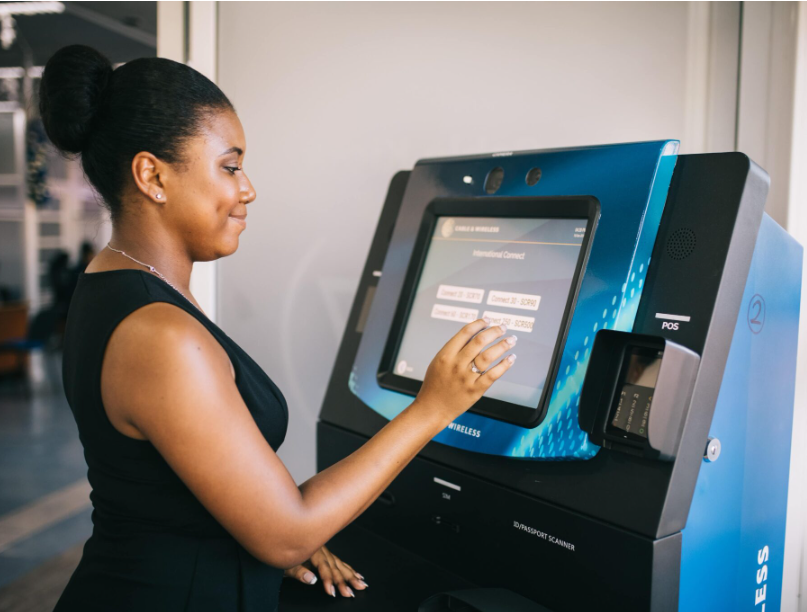
Kiosk design is a crucial aspect of creating an engaging and effective user experience. A well-designed kiosk can make all the difference in how users interact with it, whether it’s for information, entertainment, or transactional purposes. However, a poorly designed kiosk can lead to frustration, confusion, and ultimately, a negative experience for the user. To create the best user experience possible, it’s essential to consider the design of the kiosk carefully. This includes not only the physical appearance but also the user interface, navigation, and overall functionality.
Understanding the User Experience
When designing a kiosk, it’s essential to put the user at the forefront of the design process. This means understanding their needs, behaviors, and expectations. By doing so, designers can create a kiosk that is intuitive, easy to use, and provides a seamless experience. To achieve this, designers should conduct thorough user research, gather feedback, and iterate on the design based on user insights. This approach ensures that the kiosk meets the user’s needs and provides a positive experience.
User-Centered Design Principles
- Clarity: Ensure that the kiosk’s interface is clear and concise, making it easy for users to understand what they need to do.
- Simplicity: Avoid clutter and unnecessary features that can confuse or overwhelm the user.
- Consistency: Use a consistent design language throughout the kiosk to create a sense of familiarity and make it easier for users to navigate.
- Feedback: Provide clear and timely feedback to users, whether it’s through visual cues, audio, or haptic feedback.
Designing for Accessibility
A well-designed kiosk should be accessible to all users, regardless of their abilities or disabilities. This includes designing for users with visual, auditory, motor, or cognitive disabilities. To achieve this, designers should follow accessibility guidelines and best practices, such as providing alternative text for images, using clear and simple language, and ensuring that the kiosk’s interface is navigable using assistive technologies.
Interactive Kiosks
Interactive kiosks are a popular choice for many applications, from retail and hospitality to healthcare and education. These kiosks provide a unique opportunity for users to engage with digital content, interact with products or services, and even complete transactions. To create an effective interactive kiosk, designers should consider the user’s experience, the type of content being displayed, and the overall functionality of the kiosk. For more information on designing effective interactive kiosks, discover expert strategies here.
Conclusion
In conclusion, kiosk design matters, and it’s essential to create a user experience that is intuitive, easy to use, and provides a seamless experience. By understanding the user’s needs, behaviors, and expectations, designers can create a kiosk that meets their needs and provides a positive experience. By following user-centered design principles, designing for accessibility, and creating interactive kiosks, designers can create a kiosk that is effective, engaging, and memorable. By exploring advanced guides and tips, designers can continually improve and refine their design process, ensuring that the kiosk remains effective and engaging over time.
0 Comments