

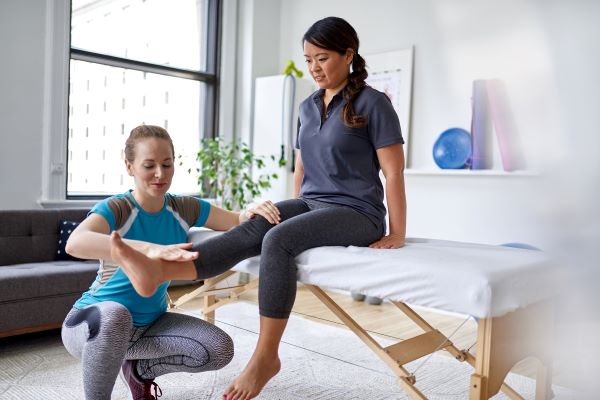
Physical rehabilitation programs are designed to help individuals recover from injuries, illnesses, or surgery, and regain their strength, mobility, and overall well-being. These programs can be tailored to meet the unique needs of each patient, taking into account their specific goals, medical history, and physical capabilities. A physical rehabilitation program can be an effective way to manage chronic pain, improve joint mobility, and enhance overall physical function.
Benefits of Physical Rehabilitation Programs
Engaging in a physical rehabilitation program can have numerous benefits for individuals. Some of the most significant advantages include:
- Improved mobility and flexibility
- Increased strength and endurance
- Enhanced functional ability and independence
- Reduced risk of falls and injuries
- Improved mental health and well-being
Physical rehabilitation programs can also be an effective way to manage chronic pain and improve overall quality of life. By incorporating exercises and activities that promote relaxation and stress relief, individuals can learn to manage their pain and improve their overall sense of well-being.
Components of a Physical Rehabilitation Program
A physical rehabilitation program typically consists of several key components, including:
- Assessment and evaluation: A thorough assessment of the individual’s physical abilities, medical history, and goals
- Exercise and activity programming: A customized exercise program designed to meet the individual’s specific needs and goals
- Therapy and education: Education and training on proper exercise technique, body mechanics, and pain management
- Progress monitoring and evaluation: Regular monitoring and evaluation of the individual’s progress and adjustment of the program as needed
Exercise and Activity Programming
Exercise and activity programming is a critical component of a physical rehabilitation program. This component is designed to help individuals regain their strength, mobility, and overall physical function. Exercises and activities can be tailored to meet the individual’s specific needs and goals, and may include:
- Strengthening exercises: Exercises designed to improve muscle strength and endurance
- Flexibility and mobility exercises: Exercises designed to improve joint mobility and flexibility
- Balance and coordination exercises: Exercises designed to improve balance and coordination
- Cardiovascular exercises: Exercises designed to improve cardiovascular health and endurance
For more information on exercise and activity programming, read more about this topic and learn how to create a customized exercise program that meets your specific needs and goals.
Conclusion
Physical rehabilitation programs can be an effective way to manage chronic pain, improve joint mobility, and enhance overall physical function. By incorporating a variety of exercises and activities, individuals can learn to manage their pain, improve their overall sense of well-being, and regain their strength, mobility, and independence. If you are interested in learning more about physical rehabilitation programs, explore further insights here and discover how a physical rehabilitation program can help you achieve your goals.
0 Comments