

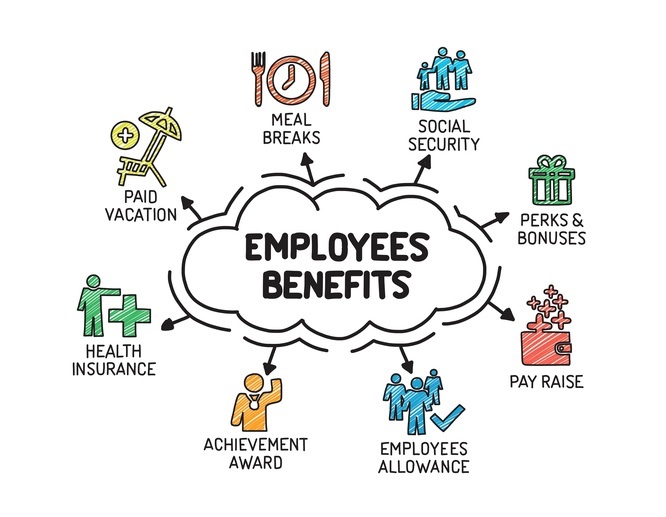
Choosing the right employee benefits platform is a strategic decision that can impact workforce satisfaction, retention, and overall productivity. With an ever-growing array of digital solutions, decision-makers must evaluate features, usability, compliance capabilities, and integration potential. This guide walks through the essential criteria and evaluation steps to help organizations select a platform that aligns with their goals and supports a seamless benefits experience for employees.
Define Core Requirements
Before reviewing any solution, clearly outline the organization’s specific needs. This foundational step ensures that the evaluation process remains focused and efficient.
Key Questions to Ask
- What types of benefits will be offered (health, retirement, wellness, etc.)?
- How many employees will use the platform, and what is the expected growth rate?
- Which existing HR or payroll systems need to integrate?
- What compliance regulations must the platform support?
- What level of employee self-service and mobile access is required?
Answering these questions creates a checklist that can be referenced throughout the selection process.
Evaluate Platform Features
Effective benefits platforms combine robust functionality with an intuitive user experience. Prioritize features that directly address the core requirements identified earlier.
- Comprehensive Benefits Catalog – Ability to manage medical, dental, vision, retirement, and ancillary benefits in one place.
- Employee Self-Service Portal – Enables staff to enroll, make changes, and view summaries without HR intervention.
- Mobile Accessibility – Responsive design or dedicated apps for on-the-go access.
- Integration Capabilities – Seamless data flow with payroll, HRIS, and time-keeping systems.
- Compliance Management – Automated updates for ACA, HIPAA, GDPR, and other regional regulations.
- Reporting & Analytics – Real-time dashboards and exportable reports for cost tracking and decision-making.
When a platform meets these criteria, it reduces administrative overhead and enhances employee engagement.
Assess User Experience
Even the most feature-rich solution can fall short if it is difficult to navigate. Conduct usability testing with a representative group of employees and HR staff.
- Is the enrollment process straightforward?
- Are help resources and FAQs easily accessible?
- Does the interface support multiple languages if needed?
Positive user feedback often translates into higher adoption rates and fewer support tickets.
Consider Implementation and Support
The transition to a new benefits platform should be smooth and well-supported. Evaluate the vendor’s implementation roadmap, training resources, and ongoing customer service.
- What is the typical timeline for full deployment?
- Are there dedicated account managers or implementation specialists?
- Is 24/7 technical support available?
- Are there regular system updates and a clear communication plan for changes?
Strong implementation support minimizes disruption and accelerates time-to-value.
Review Pricing Structure
Pricing models can vary widely, per employee, per feature, or a flat subscription fee. Analyze total cost of ownership, including hidden fees for integrations, data migration, or premium support.
- Calculate the cost per employee and compare it against the projected benefits savings.
- Identify any tiered pricing that could become more expensive as the organization grows.
- Ask for a detailed breakdown to avoid unexpected charges.
Transparent pricing helps ensure the platform remains financially sustainable over the long term.
Perform a Pilot Test
Before committing to a full rollout, run a pilot with a small group of employees. This real-world trial provides insights into system performance, user satisfaction, and any integration challenges.
- Gather quantitative data (enrollment completion rates, support tickets).
- Collect qualitative feedback through surveys or focus groups.
- Adjust configurations based on pilot results before scaling.
Successful pilots often reveal fine-tuning opportunities that improve the overall deployment.
Make an Informed Decision
After gathering data from feature evaluations, user testing, pricing analysis, and pilot results, compile a comparison matrix to rank each candidate against the defined criteria. Choose the platform that offers the best balance of functionality, ease of use, compliance, and cost.
For additional guidance on evaluating digital benefits solutions, Read more about this topic. Detailed checklists and scoring templates can streamline the selection process.
Future-Proofing Your Benefits Strategy
The employee benefits landscape continues to evolve with new wellness initiatives, flexible spending accounts, and emerging regulatory requirements. Select a platform that demonstrates a commitment to continuous innovation and can adapt to future needs.
- Look for a roadmap that includes AI-driven personalization and predictive analytics.
- Ensure the vendor regularly releases updates that address new compliance mandates.
- Consider platforms that support modular add-ons, allowing you to expand functionality over time.
Staying ahead of industry trends helps maintain a competitive benefits offering and supports long-term employee satisfaction.
To deepen your understanding of best practices in benefits administration, Learn more in this detailed guide. The resource provides case studies and expert recommendations that can inform strategic planning.
Finally, when you are ready to move forward, Explore further insights here. This will give you access to tools and templates that facilitate a smooth implementation and ongoing optimization.
0 Comments