

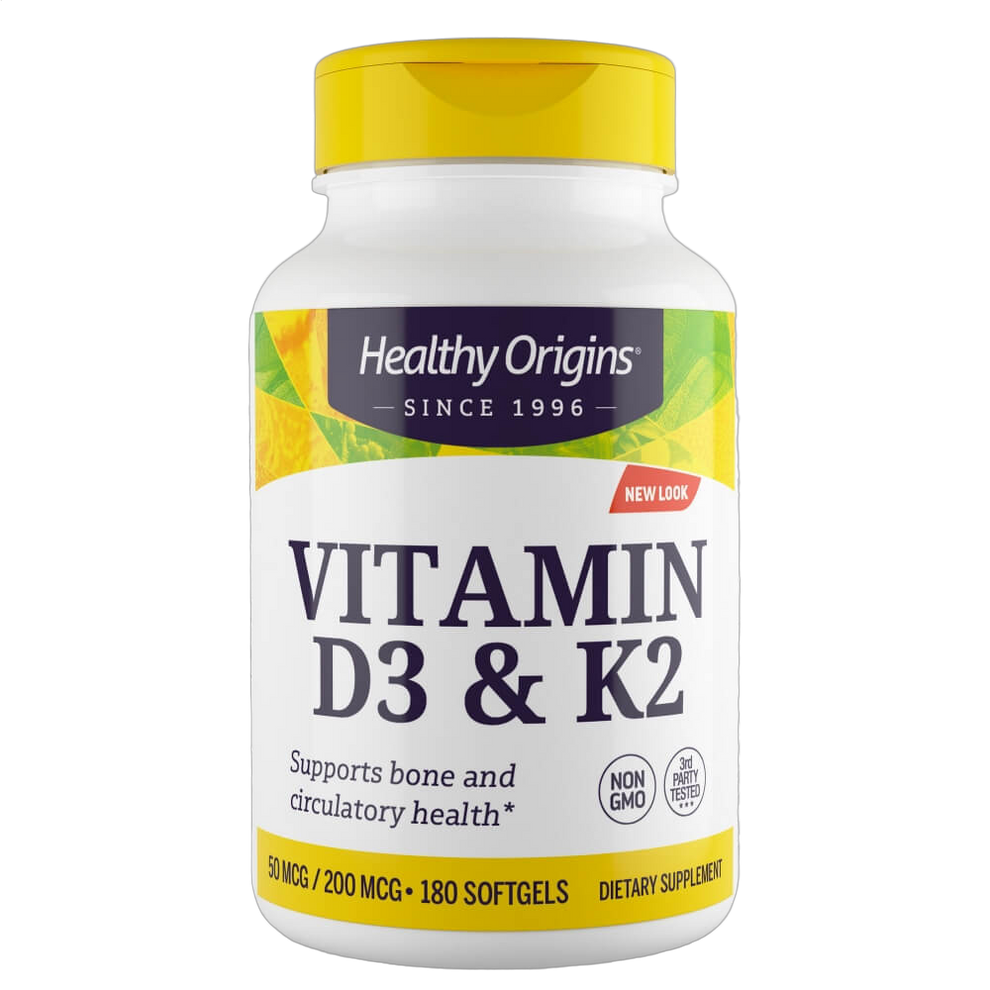
Vitamin D3 and K2 work together to support bone health, cardiovascular function, and immune resilience. While each vitamin has distinct roles, their synergistic effect makes a combined supplement a powerful tool for maintaining optimal health, especially in regions with limited sunlight exposure. Understanding the science, dosage considerations, and quality factors helps consumers choose the most effective product for their lifestyle.
Why Combine Vitamin D3 and K2?
Vitamin D3 (cholecalciferol) enhances calcium absorption in the intestines, but without adequate Vitamin K2 (menaquinone), the calcium may be deposited in soft tissues rather than bones. K2 activates proteins such as osteocalcin and matrix Gla-protein, directing calcium to the skeletal system and away from arteries.
- Bone mineralization: D3 improves calcium uptake; K2 ensures it is incorporated into bone matrix.
- Cardiovascular health: K2 activates matrix Gla-protein, which inhibits calcium buildup in arterial walls.
- Immune modulation: D3 supports innate immunity, while K2 influences inflammatory pathways.
Key Benefits of a Combined Supplement
Enhanced Bone Strength
Research shows that individuals taking both D3 and K2 experience greater increases in bone mineral density compared with D3 alone. This is particularly valuable for post-menopausal women and older adults at risk of osteoporosis.
Improved Cardiovascular Profile
K2’s role in activating matrix Gla-protein helps maintain arterial flexibility. When paired with D3, it may reduce the risk of arterial calcification, supporting healthy blood pressure and circulation.
Optimized Immune Function
Vitamin D3 is well-known for its impact on the immune system, influencing antimicrobial peptide production. Emerging evidence suggests that K2 may further modulate immune responses, creating a balanced defense against infections.
How to Choose the Right Supplement
Selecting a high-quality product involves evaluating several factors beyond price. Below are essential criteria to consider:
- Form of Vitamin K2: Look for menaquinone-7 (MK-7) rather than MK-4; MK-7 has a longer half-life, providing more consistent blood levels.
- Dosage ratios: Commonly recommended ratios range from 1000 IU of D3 to 100″???g of K2 (MK-7) per serving.
- Purity and testing: Choose supplements verified by third-party labs for contaminants, heavy metals, and accurate potency.
- Delivery format: Softgels, tablets, or liquid drops, pick the form that fits your routine.
For a curated selection that meets these standards, explore the d3k2 vitamin range, which offers clinically backed ratios and rigorous quality testing.
Recommended Daily Intake
Guidelines vary by age, health status, and geographic location. General recommendations are:
- Adults (19-70 years): 600-800 IU of D3 daily; 90-120 ??g of K2 (MK-7) is typical.
- Older adults (>70 years): Up to 2000 IU of D3 may be needed to maintain serum levels, with 100-200 ??g of K2.
- Individuals with limited sun exposure: Consider the higher end of the D3 range, especially during winter months.
Because needs are individual, a blood test for 25-hydroxyvitamin D can guide precise dosing. Consulting a healthcare professional before beginning supplementation is advisable.
Potential Interactions and Safety
Vitamin D3 and K2 are fat-soluble, so they are best taken with a meal containing healthy fats. Be aware of the following considerations:
- Blood thinners: K2 may enhance the effect of anticoagulants like warfarin; monitoring is required.
- Hypercalcemia: Excessive D3 without adequate K2 can lead to elevated calcium levels; balanced dosing mitigates this risk.
- Medications affecting absorption: Certain steroids or weight-loss drugs can interfere with fat-soluble vitamin uptake.
Choosing a Trusted Brand in the UK
When searching for the best vitamin d3 k2 supplement uk, prioritize manufacturers that disclose source ingredients, use GMP-certified facilities, and provide transparent lab results. A reputable brand will also offer clear labeling of both D3 (IU) and K2 (??g) to simplify dosing.
How to Incorporate the Supplement into Daily Life
Timing
Take the supplement with breakfast or lunch, as dietary fat improves absorption. Consistency is key, set a reminder or keep the bottle near your daily vitamins.
Stacking with Other Nutrients
For comprehensive bone support, consider pairing D3/K2 with magnesium, zinc, and calcium. However, avoid taking high-dose calcium at the same moment to prevent competition for absorption.
Monitoring Progress
Track changes in energy levels, mood, and any joint discomfort. After 3-6 months, a follow-up blood test can confirm whether serum vitamin D levels have reached the optimal range (generally 30-60″?ng/mL).
Where to Purchase Quality Products
Online retailers specializing in nutraceuticals often provide detailed product pages, batch numbers, and third-party certificates. The vitamin d3 and k2 supplements collection offers a variety of formats, including the convenient vitamin d3 and k2 tablets that suit busy lifestyles.
Conclusion
Combining vitamin D3 and K2 delivers a scientifically supported strategy for strengthening bones, protecting cardiovascular health, and enhancing immune resilience. By selecting a product with the appropriate MK-7 form, verified potency, and transparent testing, individuals can confidently integrate this duo into their daily routine. Regular monitoring and adherence to recommended dosages ensure that the benefits are maximized while minimizing any potential risks.
0 Comments