

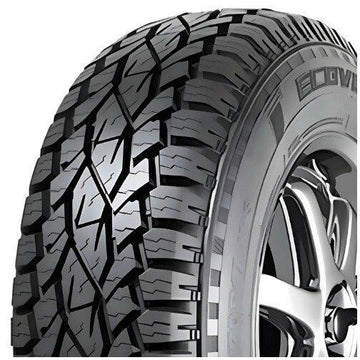
Choosing the right truck tires is essential for Canadian drivers who face a wide range of weather conditions and diverse terrains. Whether navigating icy roads in the winter or driving on rugged terrains in the summer, having the right set of tires can make all the difference in safety and performance. This comprehensive guide aims to equip drivers with the knowledge needed to make informed decisions when purchasing truck tires in Canada.
Understanding Tire Types and Their Applications
Truck tires come in various types, each designed for specific driving conditions and vehicle requirements. Understanding these differences is crucial for choosing the right tires for your needs.
All-Season Tires
These tires are designed to provide a balanced performance in various weather conditions. They are ideal for drivers who experience mild seasonal changes.
- Good tread life
- Moderate traction in wet and dry conditions
- Not suitable for extreme winter conditions
Winter Tires
Winter tires are specifically engineered to handle snowy and icy roads, providing better grip and safety in harsh winter conditions.
- Enhanced traction on snow and ice
- Made from softer rubber compounds that remain flexible in cold weather
- Not recommended for use in warm weather
All-Terrain Tires
Suitable for drivers who frequently travel on both highways and off-road terrains.
- Durable and versatile
- Provides good traction on various surfaces
- May produce more road noise than all-season tires
Key Factors to Consider When Buying Truck Tires
Selecting the right truck tires involves more than just choosing the correct type. Other critical factors should also be considered to ensure optimal performance and safety.
Size and Specifications
Always refer to your vehicle’s manual or the placard inside the driver’s door for the recommended tire size and specifications. This includes:
- Tire width
- Aspect ratio
- Rim diameter
- Load index and speed rating
Driving Conditions
Consider the typical weather and road conditions you encounter. For example, if you frequently drive in snowy regions, winter tires may be more suitable.
Budget
While it’s tempting to opt for cheaper options, investing in quality tires is crucial for safety and longevity. Compare different brands and types to find the best value for your needs.
Maintaining Your Truck Tires
Proper maintenance extends the lifespan of your truck tires and ensures optimal performance. Regular checks and adjustments can prevent premature wear and tear.
Regular Inspections
Inspect your tires regularly for signs of damage, such as cuts or punctures, and check for uneven wear patterns.
Proper Inflation
Maintaining the correct tire pressure is essential for safety, fuel efficiency, and tire longevity. Check the pressure monthly and before long trips.
Rotation and Alignment
Rotate your tires every 10,000 to 12,000 kilometers to ensure even wear. Additionally, have your vehicle’s alignment checked if you notice any handling issues.
Conclusion
Selecting the right truck tires requires careful consideration of various factors, including tire type, driving conditions, and budget. By understanding these elements and maintaining your tires properly, you can enhance your driving experience and ensure safety on the roads. For Canadian drivers looking for the best options, exploring reliable sources for truck tires in Canada can provide valuable insights and options tailored to diverse needs.
0 Comments