

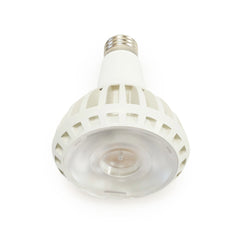
Choosing the right full spectrum light bulbs for cultivating plants indoors can significantly impact the growth and health of your plants. Full spectrum lights emulate natural sunlight, providing the necessary wavelengths that plants need for photosynthesis. This makes them an ideal choice for indoor gardening enthusiasts and professionals alike. However, with so many options available, determining the best fit for your plants can be a daunting task. This article guides you through the process of selecting the best full spectrum light bulbs, ensuring your plants thrive in an indoor environment.
Understanding Full Spectrum Light
Full spectrum light bulbs are designed to mimic natural sunlight, emitting light across the entire spectrum of visible light. This includes all colors of light, from red to violet, as well as ultraviolet (UV) and infrared (IR) light. The benefits of full spectrum lighting for plant growth include:
- Enhanced Photosynthesis: Plants use light for photosynthesis, and full spectrum bulbs provide the necessary wavelengths to maximize this process.
- Improved Plant Health: The balanced light spectrum supports plant development, improving health and vigor.
- Better Growth Rates: Full spectrum lighting can lead to faster growth rates and higher yields.
Factors to Consider When Choosing Full Spectrum Light Bulbs
When selecting the best full spectrum light bulbs for your plants, several factors should be considered:
1. Light Intensity
The intensity of light is crucial for plant growth. Different plants require different levels of light intensity. For instance, flowering plants typically need higher light intensity compared to leafy greens. Discover expert strategies here to choose the right intensity for your plant type.
2. Light Spectrum
While full spectrum bulbs cover the entire light spectrum, not all bulbs are created equal. Some may provide more red or blue light, which can influence plant behavior. Red light supports flowering and fruiting, while blue light is essential for vegetative growth. Explore advanced guides and tips on selecting the best spectrum for your needs.
3. Energy Efficiency
Energy-efficient bulbs not only save on electricity bills but also reduce the environmental impact. LED full spectrum bulbs are often the preferred choice due to their energy efficiency and long lifespan. Learn about our tailored solutions for energy-efficient lighting options.
4. Coverage Area
Consider the size of the area you need to illuminate. Larger spaces will require more powerful bulbs or multiple units to ensure even light distribution. Find out more about this approach to effectively light your growing area.
Types of Full Spectrum Light Bulbs
There are several types of full spectrum light bulbs available, each with its advantages:
- LED Bulbs: Known for their energy efficiency and longevity, LED bulbs are a popular choice among growers. They offer a balanced full spectrum and minimal heat output.
- Fluorescent Bulbs: These bulbs are cost-effective and provide a good spectrum for plant growth. They are ideal for smaller growing areas.
- HID Bulbs: High-Intensity Discharge (HID) bulbs produce a lot of light and are best suited for larger operations. However, they consume more energy and produce more heat.
Conclusion
Selecting the right full spectrum light bulbs involves understanding the specific needs of your plants and matching them with the appropriate light spectrum, intensity, and efficiency. With the right lighting, you can create an optimal environment for your plants to thrive indoors. For more comprehensive information and options, consider visiting specialized websites that offer tailored solutions for diverse plant needs.
0 Comments