

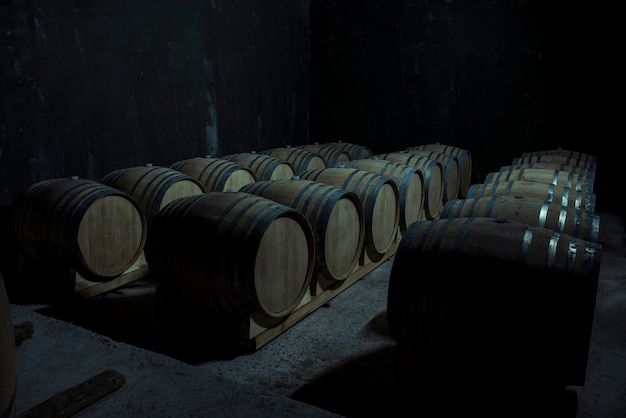
Whiskey barrel investment has emerged as a fascinating venture for both seasoned and novice investors. The allure of whiskey investment lies not only in the potential for substantial returns but also in the unique nature of the asset itself. As a tangible investment, whiskey barrels offer a distinct appeal compared to traditional financial instruments. This article delves into the nuances of investing in whisky casks, exploring the opportunities and considerations within this burgeoning market.
The Appeal of Whiskey Barrel Investment
Whiskey barrel investment is attractive for several reasons:
- Tangible Asset: Unlike stocks or bonds, whiskey barrels are physical assets that investors can see and touch.
- Intrinsic Value: As whiskey ages, its value typically increases due to factors such as rarity and quality improvement.
- Diversification: Investing in whiskey provides diversification in an investor’s portfolio, potentially reducing overall risk.
Understanding the Process
The process of investing in whiskey barrels involves several stages:
- Selection of Barrels: Investors can choose barrels based on the distillery, age, and type of whiskey.
- Storage and Maintenance: Proper storage is crucial. Barrels are typically kept in bonded warehouses under regulated conditions.
- Monitoring Maturation: Investors can track the maturation process, making informed decisions about when to sell.
Market Dynamics
The whiskey market is influenced by various factors:
- Global Demand: Increasing demand for premium whiskey from emerging markets is driving prices upward.
- Limited Supply: With finite production capabilities, the supply of aged whiskey is inherently limited.
- Regulatory Factors: Changes in regulations, such as tariffs and taxes, can impact prices and availability.
Understanding these dynamics is crucial for anyone interested in whiskey cask investment, as they directly impact potential returns.
Risks and Considerations
While the potential rewards of whiskey barrel investment are enticing, there are risks to consider:
- Market Volatility: Like any investment, whiskey prices can fluctuate due to market conditions.
- Storage Costs: Maintaining barrels in optimal conditions incurs costs that can affect overall profitability.
- Liquidity Concerns: Unlike publicly traded securities, selling whiskey barrels may take time and require finding the right buyer.
Mitigating Risks
Investors can mitigate risks by:
- Diversifying Investments: Spreading investments across different types and ages of whiskey can reduce exposure to specific market segments.
- Research and Due Diligence: Thorough research into distilleries, market trends, and storage facilities can enhance decision-making.
- Professional Guidance: Consulting with experts in the field can provide valuable insights and strategies for optimizing returns.
Conclusion
Whiskey barrel investment represents a unique opportunity within the alternative investment landscape. With the right approach, investors can capitalize on the growing demand for aged spirits while enjoying the tangible nature of the asset. For those interested in exploring this avenue, understanding the intricacies of whiskey barrel investment is essential to navigating the market successfully.
0 Comments