

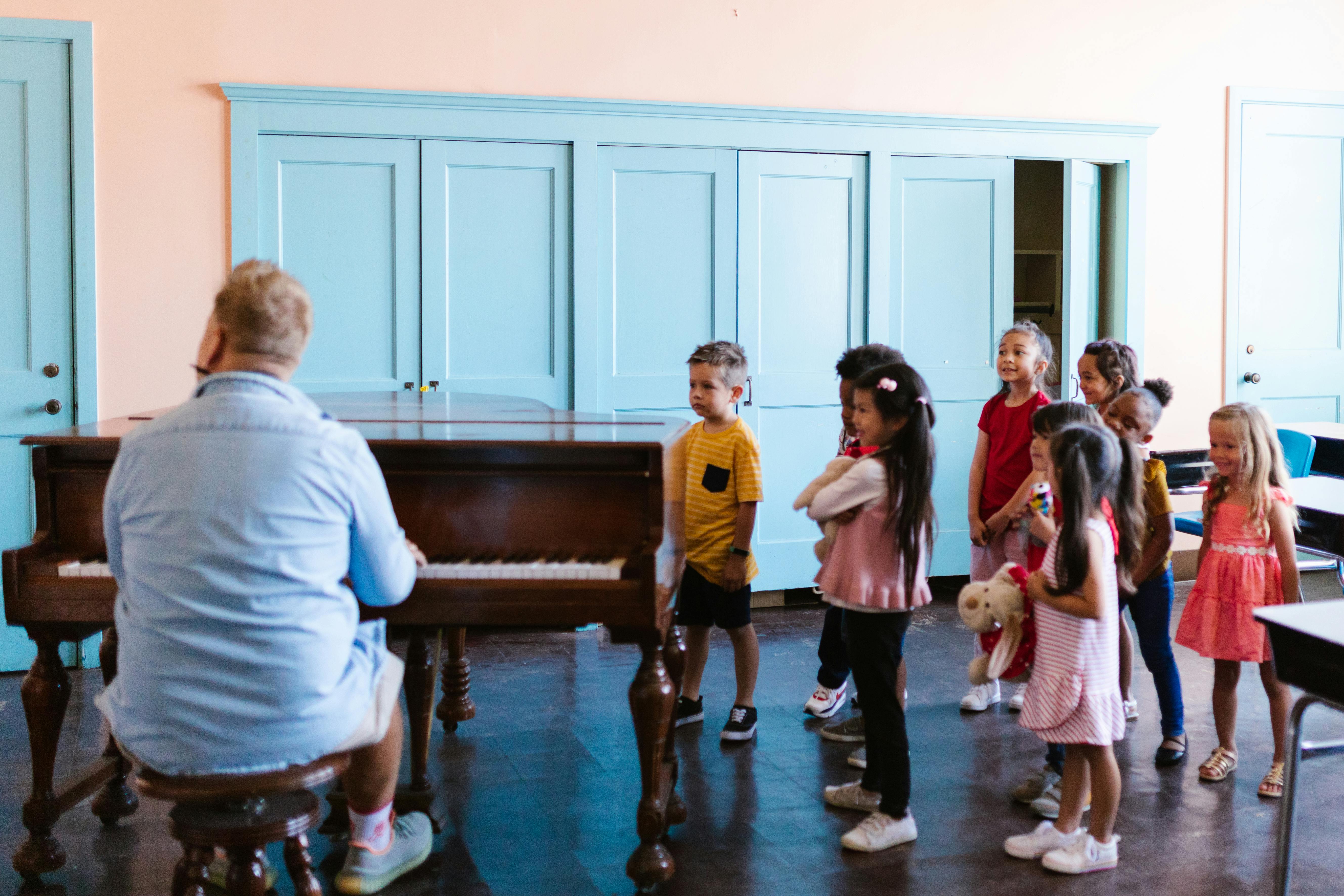
Music is a universal language that transcends age, culture, and background. For young children, engaging in a preschool music program can be a transformative experience that nurtures their creativity, enhances their cognitive development, and boosts their emotional well-being. This article explores the multifaceted benefits of preschool music programs and provides insights into how they can be effectively integrated into early childhood education. By understanding the power of music in shaping young minds, parents and educators can foster a nurturing environment that supports holistic development.
The Importance of Music in Early Childhood Development
Music plays a crucial role in the developmental stages of a child. It is not merely an artistic form but a tool that promotes learning and growth. Here are some key benefits:
- Cognitive Development: Engaging with music helps improve memory, attention span, and problem-solving skills. It allows children to think critically and enhances their ability to process information.
- Language Skills: Singing and listening to songs enrich vocabulary and improve phonetic awareness. Music exposure supports language acquisition in a natural and enjoyable manner.
- Social Skills: Group activities in music programs teach children about teamwork, sharing, and communication. This fosters social interaction and collaboration among peers.
- Emotional Expression: Music provides an outlet for children to express their feelings and emotions. It can be a powerful tool for emotional regulation and self-expression.
By integrating a structured music program into preschool education, caregivers can harness these benefits to support well-rounded development. Read more about this topic.
How to Integrate Music Programs in Preschool Settings
Incorporating Music into Daily Routines
Music can be seamlessly woven into daily routines in preschool settings. Here are some practical approaches:
- Morning Sing-Alongs: Start the day with a cheerful sing-along. Choose songs that are easy to remember and relate to the day’s activities.
- Music and Movement Activities: Incorporate music into physical activities. Dancing and moving to the rhythm can enhance motor skills and coordination.
- Storytelling with Music: Use music to enhance storytelling. Background music can set the tone and engage children more deeply in the narrative.
Integrating these musical elements into daily activities not only enriches the learning environment but also makes education a fun and interactive experience. Explore further insights here.
Choosing the Right Music for Preschoolers
Selecting the appropriate music for preschoolers is essential to maximize the benefits of a music program. Consider the following tips:
- Age-Appropriate Selections: Choose music that is suitable for the age group. Simple melodies and repetitive lyrics are ideal for younger children.
- Cultural Diversity: Include music from various cultures to expose children to a wide range of sounds and traditions.
- Interactive Songs: Opt for songs that encourage participation, such as clapping, stomping, or singing along.
By carefully selecting music, educators can create a rich auditory environment that captivates and educates young learners. Find additional information here.
Conclusion
Preschool music programs are a valuable asset in early childhood education. They offer a plethora of benefits that contribute to the cognitive, social, emotional, and physical development of children. By understanding the significance of music and implementing strategic approaches to integrate it into preschool settings, educators and parents can cultivate a nurturing space that encourages growth and discovery. As we continue to explore and refine educational methods, the role of music remains pivotal in shaping the leaders of tomorrow. Learn more in this detailed guide.
0 Comments